

Neem Oil for Powdery Mildew: Does It Really Work? (Guide)
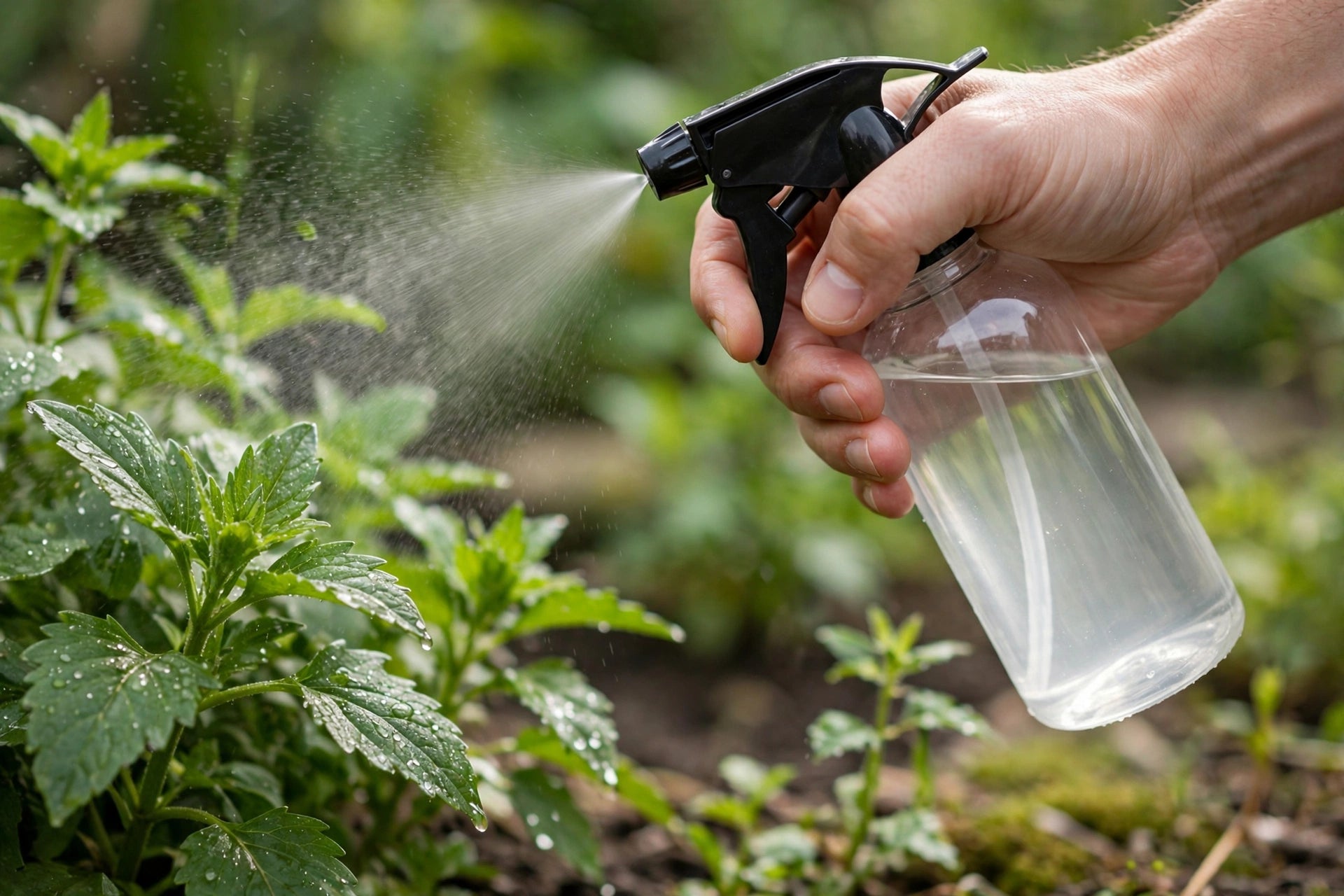
Neem oil has a reputation that outruns its resume.
Garden forums talk about it like a cure-all. Labels list powdery mildew among the diseases it controls. And somewhere in between the hype and the fine print is the truth: neem oil can genuinely help against powdery mildew — as one piece of an IPM plan, used correctly, with realistic expectations.
This guide is the honest version. What neem oil actually is, what it does to powdery mildew, how to use it without burning your plants, and what it can't do.
No miracle claims. Just the facts, in grower-to-grower language.
What neem oil actually is
Neem oil comes from the seeds of the neem tree (Azadirachta indica). The products you'll find for garden disease control are usually clarified hydrophobic extract of neem oil — a refined form standardized for use as a fungicide, miticide, and insecticide on the label.
Don't confuse it with cold-pressed neem oil sold for other purposes. For powdery mildew, you want a product whose label specifically lists powdery mildew as a target disease. The label is the law here — if powdery mildew isn't on it, don't use it for that.
Neem oil is a contact product. It works by coating the leaf surface, which means thorough coverage — tops and undersides of leaves — is everything. A lazy, misty pass that misses half the foliage won't do much.
What it does to powdery mildew
Here's the evidence-based picture, per university extension guidance.
Neem oil works primarily as a protectant. Coated leaf surfaces are harder for powdery mildew spores to colonize, so it helps healthy tissue stay healthy. Applied before infection or at the very first signs, it can slow or stop an outbreak from building.
It also has some eradicant activity on early, light infections — labels and extension sources note it can suppress young powdery mildew colonies it directly contacts. That's a real effect, but it's limited. It won't melt away a heavy, established infection, and it won't restore tissue that's already damaged or distorted.
Think of it this way: neem oil is a shield, not a time machine. It protects what's healthy and slows what's starting. It doesn't fix what's already lost.
Used within a full IPM program — spacing, airflow, sanitation, resistant varieties — it earns its place. Used alone on a crowded, stressed planting, it will disappoint you. Our powdery mildew prevention playbook covers the steps that make any spray work better.
How to apply it without hurting your plants
This is where most neem oil failures happen. The product is fine; the application is the problem.
Read the label first, fully. Mixing rates, target diseases, and safety directions vary between products. Follow the label you hold in your hand, not a rate you remember from a forum.
Shake well and spray fresh. Mix only what you'll use, and keep the sprayer agitated. Oil and water separate fast, and an uneven mix means uneven coverage.
Test a small area first. Spray a few leaves, wait 24–48 hours, and check for burning or discoloration before treating the whole plant. Some plants and varieties are more sensitive than others.
Spray in the cool hours. Early morning or evening — never in the heat of the day. Oil on leaves in hot sun can cause phytotoxicity (leaf burn), and extension sources consistently warn against applying oils when temperatures exceed about 90°F.
Don't spray stressed plants. Wilted, drought-stressed, or recently transplanted plants are more vulnerable to burn. Water first, wait for recovery, then spray.
Repeat per the label. One application isn't a season of protection. Most labels call for repeat applications every 7–14 days, and after rain. Consistency matters more than concentration — never exceed the label rate hoping for a stronger effect.
Cover thoroughly. Powdery mildew lives on leaf surfaces, so the oil has to touch it. Wet the tops and undersides of leaves until they're evenly coated, working from the top of the plant down.
For a broader action plan around these steps, see what to do when you spot powdery mildew.
What neem oil won't do
Let's set the honest boundaries.
It won't cure heavily infected leaves. Tissue that's already distorted, yellowed, or dropping is done — prune it off and protect the new growth instead.
It won't replace cultural controls. If your squash plants are packed together, watered from overhead every evening, and pushing soft nitrogen-fueled growth, no spray — neem or otherwise — will hold the line for long.
It won't work instantly or permanently. Expect to reapply through the pressure season, and expect a light case to need follow-up.
And it carries no guarantees. Results vary with timing, coverage, weather, and how far the infection had spread before you started. Anyone who promises a guaranteed cure is selling something.
Where it fits in your IPM plan
Neem oil sits in the last tier of IPM: the least-toxic options you reach for after prevention, cultural, mechanical, and biological controls.
The full order looks like this: resistant varieties and good site selection first. Spacing, airflow, morning watering, and sanitation second. Pruning out infected growth third. Beneficial-friendly practices throughout. And a labeled protectant like neem oil when the earlier steps need backup.
That order matters. Each earlier step reduces how much you need from the later ones — and often means you spray less, or not at all.
If you're dealing with powdery mildew on a specific plant, our guides to powdery mildew on roses and the powdery mildew identification guide will help you confirm the diagnosis and tailor the plan. Keep sharp, clean pruners handy too — you'll find them in our gardening tools guide.
Frequently asked questions
Does neem oil kill powdery mildew on contact? It can suppress young, light colonies it directly contacts, and it works well as a protectant on healthy tissue. But it won't eliminate a heavy established infection — prune damaged growth and protect what's new.
How often should I spray neem oil for powdery mildew? Follow your product's label — most call for every 7–14 days and after rain. Regular, lighter applications beat occasional heavy ones.
Can neem oil burn my plants? Yes, if misapplied. Spraying in hot sun (above ~90°F), over-concentrating the mix, or spraying stressed plants can cause leaf burn. Always test a small area first and spray in cool hours.
Is neem oil enough on its own? Rarely. It works best as part of IPM — spacing, airflow, sanitation, and pruning do the heavy lifting, and neem oil backs them up. Alone on a stressed, crowded planting, expect disappointment.
Can I use neem oil on vegetables I'll eat? Many neem oil products are labeled for vegetables — check your specific product's label for the crops listed and any pre-harvest interval. Always follow the label exactly.
Wrapping things up!
So — does neem oil really work on powdery mildew? Yes, with the emphasis on really meaning realistically.
It's a solid contact protectant with some early-stage eradicant activity. Applied per label, in cool hours, with good coverage and repeat applications, it can keep a light outbreak from becoming a disaster. It's not a cure-all, not a substitute for good gardening, and not a guarantee.
Use it as the last step of a smart IPM plan, not the first and only step. Your plants — and your expectations — will both be healthier for it.
Sources
- UC IPM — "Powdery Mildew" pest management guidelines, including least-toxic options (ipm.ucanr.edu) - Clemson Cooperative Extension — powdery mildew management on ornamentals and vegetables (clemson.edu/extension) - Missouri Botanical Garden — "Powdery Mildew" plant problem profile (missouribotanicalgarden.org) - Cornell Cooperative Extension — horticultural oil and botanical product guidance (cce.cornell.edu)
Timing and disease pressure vary by climate region — check your local extension for guidance tuned to your area.
