

Which Tomatoes Resist Late Blight? 6 Varieties Compared
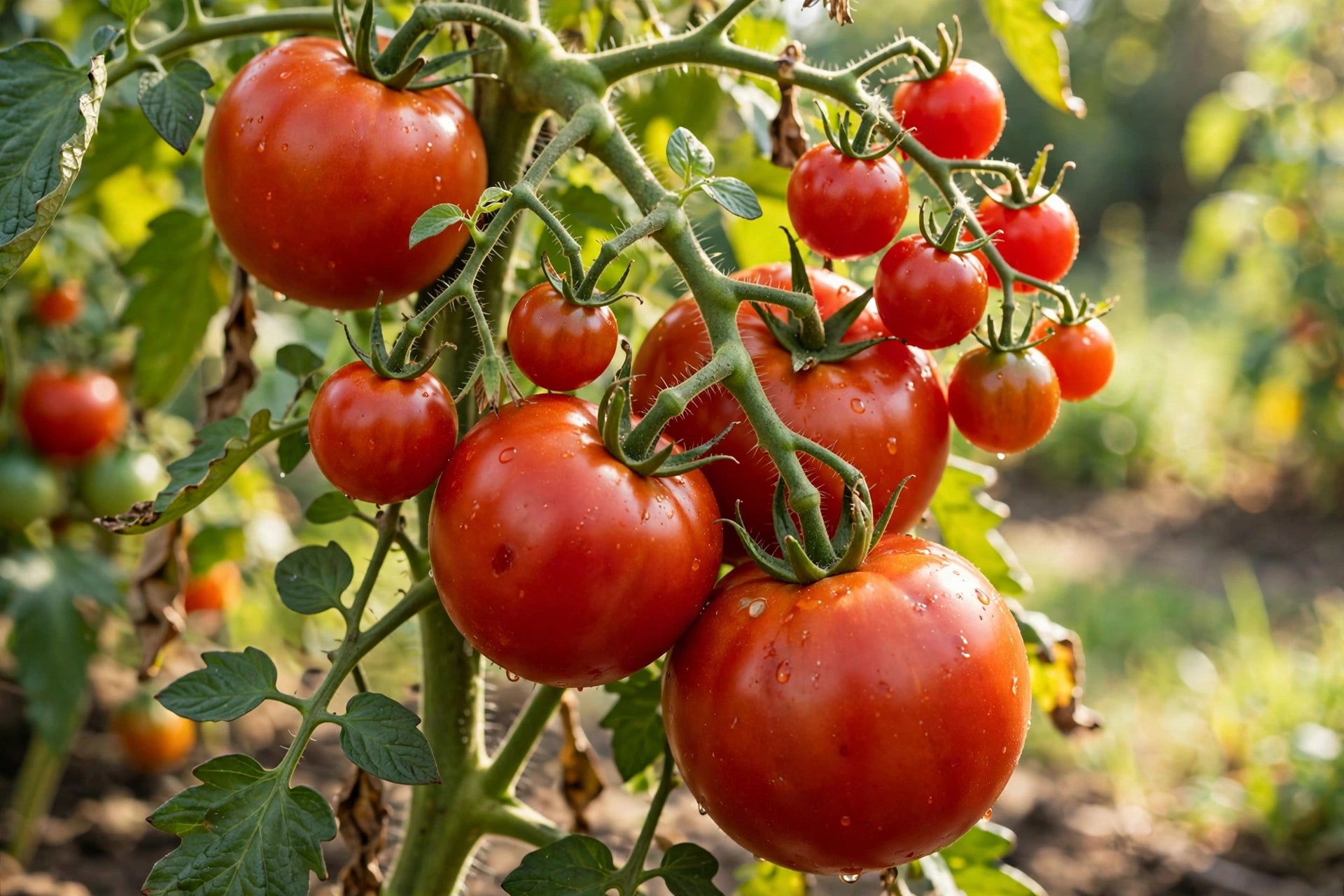
Every gardener who's watched late blight melt a tomato patch in a week asks the same question: is there a tomato that can actually stand up to it? It's a fair question — and for once, the answer is genuinely good news.
Yes. Several tomato varieties have documented, trial-proven resistance to late blight — not mark
What "Resistant" Really Means
When extension researchers say a variety "resists" late blight, they mean it in a measured, specific way. In Cornell's Long Island trials, varieties carrying the Ph-2 and Ph-3 resistance genes finished the season with almost no disease — 1 to 3% canopy severity — while the susceptible comparison variety sat at 72%. That's not a marketing adjective. That's data.
But — and this is the part seed catalogs skip — resistance genes are strain-specific. They were tested mainly against the US-23 strain of Phytophthora infestans, the dominant type in the U.S. in recent years. Varieties carrying only Ph-1, or even Ph-2 alone, were hit just as hard as susceptible plants in those same trials. Resistance is real, but it's aimed at a moving target — which is why it's one layer of your defense, not the whole wall.
The Verdict: Choose Your Fighter
Here's our honest take, gardener to gardener:
- Choose Iron Lady if late blight, early blight, and Septoria all hit your garden — it's the only variety with documented protection against all three. The compact plants are a bonus for smaller spaces.
- Choose Defiant PhR if you want maximum protection in minimum space — compact, determinate, and tidy enough for a patio container.
- Choose Mountain Merit if big slicing tomatoes are the goal. Large, firm, red slicers with strong disease credentials — and an All-America Selections winner, so performance is proven beyond a single trial site.
- Choose Mountain Magic if flavor is the priority. It was bred for taste as much as resistance, earned top flavor scores in consumer trials, and keeps producing cocktail tomatoes all season.
- Choose Jasper if you want cherries fast. At about 60 days it's the earliest of the bunch, with AAS-tested reliability and resistance to both early and late blight.
- Choose Matt's Wild Cherry if you save your own seed. It's the only open-pollinated option with genuine trial data behind it — just know the fruits are tiny currant-types and the vines sprawl.
Can't decide? Iron Lady is the all-around safest bet in disease country; Mountain Magic is the tastiest insurance policy.
Honest Caveats — Read Before You Plant
We'd rather you plant with open eyes than open wallets, so here are the limits:
- Keep doing everything else. Spacing, base watering, mulch, rotation, and scouting don't become optional. Resistance is one strong IPM layer among several — see our guide to crop rotation for tomato diseases for the multi-year strategy.
- Hybrids don't come true from seed. If you save seeds from Iron Lady, Defiant, Mountain Magic, Mountain Merit, or Jasper, the offspring won't match the parent. Only Matt's Wild Cherry (open-pollinated) breeds true.
And one more thing worth saying plainly: when you're browsing our tomato seeds to plan next season, keep this list handy — but read variety descriptions carefully wherever you shop. We make no claim that our seeds carry these resistance traits or are these varieties. Documented resistance is a trait of the specific variety, verified in trials — buy the name, not the hope.
Frequently Asked Questions
If I plant resistant varieties, can I skip scouting? No — and that's the most important answer in this article. Resistance lowers your risk enormously, but it doesn't remove it. Keep the 10-minute weekly scouting routine, especially during cool, wet stretches.
Do these varieties also resist early blight? Two of them have documented early-blight credentials: Iron Lady was bred for early blight tolerance plus Septoria resistance, and Jasper is considered "double-resistant" to both blights. For the others, late blight is the documented trait — and our early blight vs late blight guide helps you tell the two diseases apart.
Why did my "resistant" tomato still get late blight? Three usual reasons: disease pressure was extreme (even resistant plants have limits), the local pathogen strain differed from the tested ones, or the plant was stressed by tight spacing, wet foliage, or poor nutrition. Resistance is a strong layer — not a force field.
Can I save seeds from these varieties? From Matt's Wild Cherry, yes — it's open-pollinated and grows true. From the five hybrids, no: saved seed won't reliably reproduce the parent's traits, including its resistance. Buy fresh hybrid seed each season.
Are resistant tomatoes as tasty as other varieties? Taste is personal, but the trial data is encouraging: Mountain Magic earned high flavor scores from consumer panels, and Jasper won its AAS award partly on flavor. You don't have to choose between protection and pleasure.
Where can I buy these varieties? Look for the exact variety names in reputable seed catalogs or ask your local nursery — and favor listings that cite trial data or the Ph-2/Ph-3 genes over vague "disease resistant" claims. Our vegetable collection is a good starting point for planning next season's lineup.
Sources
- Cornell University Extension
- North Carolina State University
- American Phytopathological Society, Plant Disease journal
- University of Arkansas Extension
Wrapping Things Up!
Six varieties. Real trial data. A genuine shot at harvesting tomatoes in a year when late blight is sweeping the county. Pick the one that fits your garden — the compact defender, the flavor-first cherry, the seed-saver's currant — and plant it inside a full IPM plan: good spacing, base watering, mulch, rotation, and that weekly scout. Resistance is the strongest single layer you can add, but the layers around it are what make it hold. And as always, if you need help choosing varieties for your region or building next season's plan, we're here — happy growing!

× NC State breeding)Medium red slicerDeterminate, compact (~75 days)Gardeners who battle all three leaf diseases every year or-late-blight">here's our 10-minute weekly routine. Space plants for airflow, water at the base, mulch against splash, and rotate your nightshades. That's the IPM order that actually works: prevention first, cultural controls always, least-toxic options only as the last resort.
eting claims, but results from multi-year Cornell University field trials, where resistant plants finished the season with 1 to 3% disease severity while susceptible varieties hit 72%. Below, we'll compare the six best-documented options side by side: what the resistance is, what the fruit is like, and which one fits your garden.
One honest note before we start, because it matters: resistance is not immunity. These varieties hold up remarkably well under disease pressure — and some years that's the difference between a harvest and a heartbreak — but they still need the full IPM toolkit around them.