

How to Grow Cilantro from Seed: Slow-Bolt Success Guide
By Paul Smith, pemdasgarden.com
Cilantro is the herb gardeners love and lose in the same month. One week you are snipping fragrant leaves for salsa, the next the plant has shot up a flower stalk, the leaves taste soapy, and the whole patch is done. The good news: nearly every cilantro failure traces back to timing and heat, both of which you can manage. This guide shows how to grow cilantro from seed so you actually get leaves — lots of them — instead of a one-way trip to flowering.
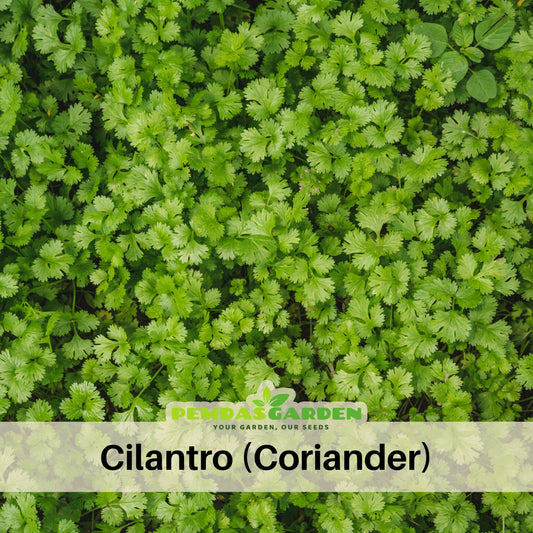
Cilantro (Coriandrum sativum) is a cool-season annual in the carrot family. It germinates and grows best when days are mild, and it interprets sustained heat — roughly 85°F and up — as a signal to bolt, flower, and set seed. That seed, by the way, is coriander: leaves and seeds are two spices from one plant.
Direct Sow — Cilantro Hates Being Transplanted
Unlike tomatoes or peppers, cilantro resents root disturbance. Transplanting shocks the plant, and a stressed cilantro plant bolts even faster. Sow cilantro seeds directly where they will grow, whether that is a garden bed, a raised bed, or a deep container.
- Depth: Sow 1/4 inch deep — no deeper. The seeds are actually dried fruits containing two seeds each, so each "seed" can produce two seedlings.
- Spacing: Sow 1 to 2 inches apart in rows 12 inches apart, then thin to 6 to 8 inches apart once seedlings are a few inches tall.
- Soil: Loose, well-drained soil enriched with compost, pH 6.2 to 6.8. Cilantro grows a taproot, so avoid compacted ground.
- Germination: Expect sprouts in 7 to 14 days when soil temperatures are between 55 and 75°F. Keep the bed evenly moist until seedlings establish.
When to Sow: Dodge the Heat
Time your sowing around temperature, not the calendar alone. Sow 2 to 3 weeks before your last spring frost — cilantro seedlings tolerate light frost. For a fall crop, sow 6 to 8 weeks before your first expected fall frost, usually sometime in August for most regions. In zones 8 and warmer, fall through winter is prime cilantro season; summer is a losing battle.
If you only remember one trick, make it afternoon shade. A spot that gets morning sun and shade from about 2 p.m. onward can add weeks to your harvest in warm climates. Tucking cilantro beside taller plants like tomatoes gives it the same dappled protection.
Succession Sowing Is the Real Secret
Even with perfect timing, a single sowing of cilantro gives you roughly 3 to 4 weeks of prime leaves before bolting begins. The fix is succession planting: sow a small new patch every 2 to 3 weeks through the cool season. As each batch starts to bolt, the next is ready to cut. Stop sowing about 40 days before your region's sustained summer heat arrives, then resume when temperatures drop back into the 50 to 85°F window.
Choose Slow-Bolt Varieties
Variety choice matters more with cilantro than with almost any other herb. Slow-bolt types like 'Slow Bolt', 'Calypso', 'Cruiser', and 'Leisure' were bred to hold their leafy stage longer under warm or long-day conditions. If your seed packet does not name the variety, consider it a generic type and plan on tighter successions.
Watering, Feeding, and Harvest
Keep soil consistently moist but not waterlogged — drought stress also triggers bolting. A 2-inch mulch of straw or shredded leaves keeps roots cool and moisture even. Cilantro is a light feeder; compost worked in at planting is usually enough, with at most one light nitrogen side-dressing for a long season.
Harvest by snipping outer stems at the base, taking no more than a third of the plant at once. Frequent cutting delays flowering by keeping the plant in vegetative mode. Once you see a central stalk thickening and rising, bolting has begun — harvest what you can, because leaf flavor declines quickly from there.
Let Some Plants Bolt on Purpose
Here is the silver lining: bolted cilantro is not a total loss. The white umbel flowers attract hoverflies and parasitic wasps that prey on aphids. Left alone, the flowers mature into round coriander seeds you can harvest for the spice jar. And if you let a few plants drop seed, volunteer cilantro often pops up on its own the following cool season — free plants with zero effort.
Common Mistakes
- Sowing in summer heat and wondering why it flowers in three weeks.
- Starting seeds indoors in small cells — transplant shock almost guarantees early bolting. Direct sow instead.
- Planting one big patch once instead of small successions every few weeks.
- Letting the soil dry out between waterings, which reads as drought stress and speeds flowering.
- Harvesting timidly. Regular cutting keeps leaves coming; neglected plants bolt sooner.
Garden tools that help: count back from your frost date with the Seed Starting Calculator, and confirm your hardiness zone with the Gardening Zone Lookup on our gardening tools hub.

Frequently Asked Questions
Why does my cilantro keep bolting?
Heat and long days are the triggers. Temperatures consistently above 85°F, transplant shock, drought stress, or simply the arrival of long summer days all push cilantro to flower. Sow in the cool season, give afternoon shade, and succession-sow.
Can I grow cilantro indoors?
Yes, with caveats. Give it at least 6 hours of strong light (a south window or grow light), cool room temperatures, and a deep pot for the taproot. Indoor cilantro is best as a short-term crop — sow fresh every few weeks rather than nursing one plant for months.
How long until I can harvest cilantro from seed?
About 3 to 4 weeks after germination for baby leaves, 45 to 55 days for full-size bunches. Start light harvesting early; it encourages bushier growth.
Is coriander the same plant as cilantro?
Yes. Cilantro is the fresh leaf; coriander is the dried seed of the same plant, Coriandrum sativum. Letting plants bolt is how you get a coriander harvest.
Keep growing: Pair this guide with our cilantro sowing calendar for exact indoor/outdoor timing, browse all herb seeds, explore fellow cool-season herbs like dill and parsley, or return to the Growing Guides hub.