

How to Grow Dukat Dill from Seed
By Paul Smith, pemdasgarden.com
Dukat dill is the variety serious herb gardeners reach for: compact, slow to bolt, and bred for an abundance of fine, aromatic foliage. Whether you want feathery dill weed for fish, salads, and dips, or umbrella-shaped seed heads for pickling, Dukat delivers a longer harvest window than standard dill — and it could not be easier to grow from seed.
Why Grow Dukat Dill?
- Slow bolting: stays leafy weeks longer than common dill in warm weather.
- Compact habit: reaches just 2–3 feet, so it suits beds, borders, and large pots.
- Dual harvest: cut fresh dill weed all summer, then let late plants flower for pickling seed heads.
- Beneficial insects: dill flowers feed hoverflies and parasitic wasps that patrol your garden for pests — much like the blooms in our chocolate cosmos growing guide draw in pollinators.
When to Sow Dill Seeds
Dill is a cool-season herb that dislikes transplanting, so direct sow where it will grow. Sow in early spring as soon as soil can be worked, and — key for a continuous supply — sow again every 2–3 weeks through midsummer. A late-summer sowing gives a fall crop of fresh dill weed. In warm climates, fall and winter sowings do best.
How to Sow: Step by Step
- Choose a spot in full sun with well-drained soil; dill tolerates average soil but hates waterlogging.
- Sow seeds ¼ inch deep in rows or drifts, then thin seedlings to 9–12 inches apart (crowded dill bolts faster).
- Water gently and keep the seedbed moist until germination in 10–14 days.
- Mulch lightly once seedlings are a few inches tall to hold moisture.
Caring for Dill
Watering
Keep soil evenly moist, especially in hot spells — drought stress triggers bolting. A 2-inch mulch layer helps enormously.
Feeding
Dill needs little feeding. Too much nitrogen makes soft, floppy growth; compost at planting is enough. Start with quality seed like Dukat dill seeds and let the variety do the work.
Succession is everything
Because each plant has a limited leafy life, the secret to all-summer dill is not one sowing but many. Mark your calendar: every 2–3 weeks, scatter another short row.
Harvesting Dill Weed
Begin snipping the ferny foliage once plants are 8–10 inches tall. Harvest in the morning, taking outer stems first and never more than a third of the plant at once. For the strongest flavor, cut just before the plant flowers. Use fresh, or freeze chopped dill in ice-cube trays with a little water — it keeps its flavor far better than dried.
Harvesting Seed Heads for Pickling
Let your final succession plants bloom and form seed heads. Cut whole umbels when seeds turn tan but before they shatter, and hang them upside down in paper bags to catch every seed. One plant's worth of heads flavors a season of pickles. Leave a few heads in the garden and dill will self-sow for next year.
Pests and Garden Friends
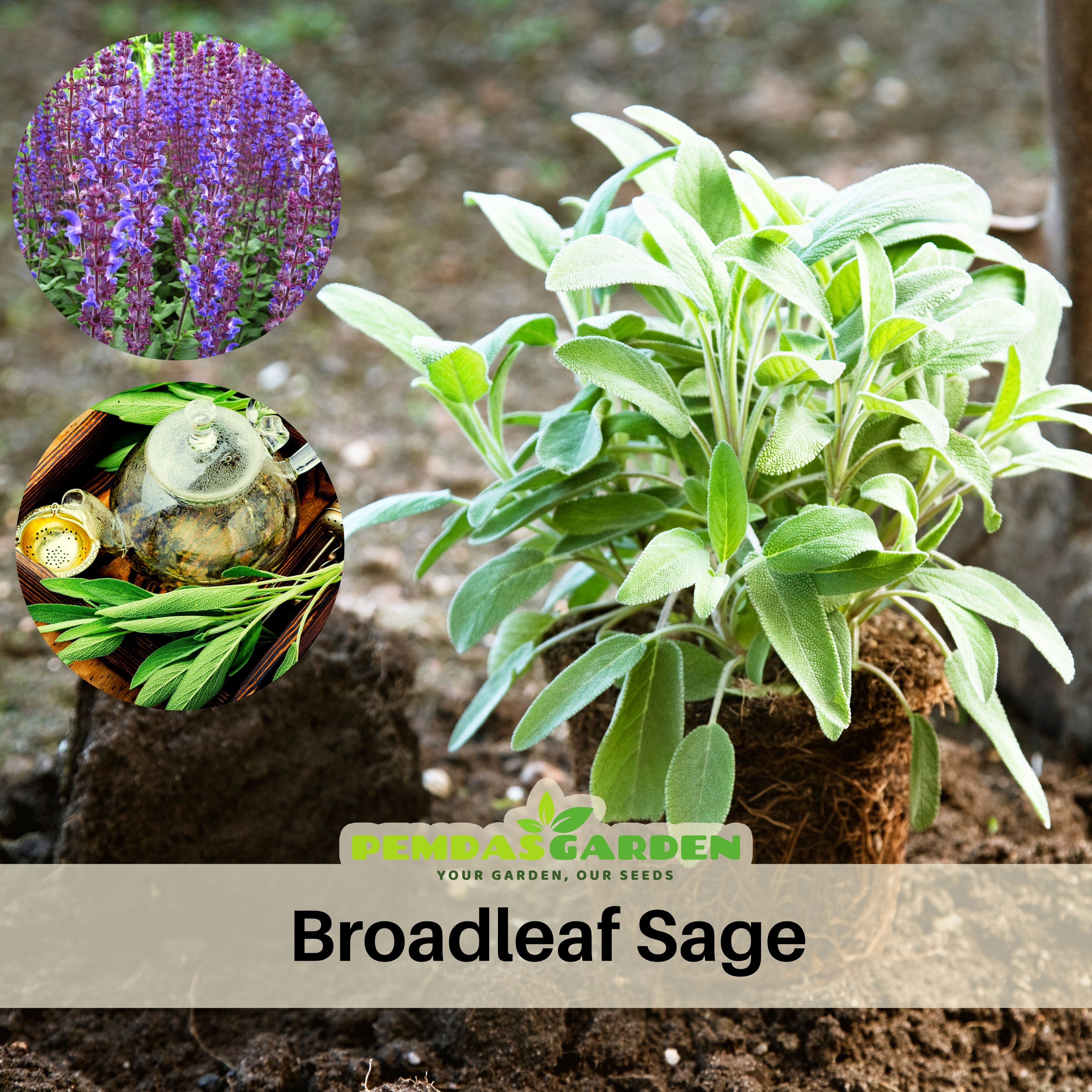
Dill is mostly trouble-free. Aphids may cluster on flower heads — rinse them off. And if you spot striped black swallowtail caterpillars munching the foliage, consider leaving them: they become gorgeous butterflies, and a patch of dill can spare a few stems. Plant dill near Broadleaf sage seeds and curled parsley seeds for a complete kitchen herb bed.
Storing Your Harvest
Fresh dill keeps about a week in the fridge wrapped in a damp towel. Frozen dill cubes last months. Dried dill seed (the "seed" used in pickling spice) keeps a year in an airtight jar — harvest it yourself and you will taste the difference.
Start your herb bed right: shop Dukat dill seeds at PemdasGarden and sow a fresh row every few weeks for dill all season.
Garden tools that help: count back from your frost date with the Seed Starting Calculator, and confirm your hardiness zone with the Gardening Zone Lookup on our gardening tools hub.
Frequently Asked Questions
Can I transplant dill seedlings?
It is rarely successful — dill dislikes root disturbance. Direct sow where it will grow.
How do I keep dill from bolting so fast?
Sow successions every 2 to 3 weeks, keep soil evenly moist, and choose slow-bolt varieties like Dukat. Heat and drought trigger flowering.
When do I harvest dill weed vs. seed heads?
Snip foliage once plants are 8 to 10 inches tall. Let later plants flower, then cut umbels when seeds turn tan for pickling.
Will dill come back next year?
As a self-sower, usually. Leave a few seed heads to scatter and volunteers appear the following season.