Pemdas Garden
White Lilac Seeds - Syringa Vulgaris, 20 seeds
White Lilac Seeds - Syringa Vulgaris, 20 seeds
Regular price
$3.79 USD
Regular price
$7.58 USD
Sale price
$3.79 USD
Shipping calculated at checkout.
Quantity
Your seeds arrive beautifully wrapped and ready to give.
Couldn't load pickup availability
Quantity: 20 Seeds / pack
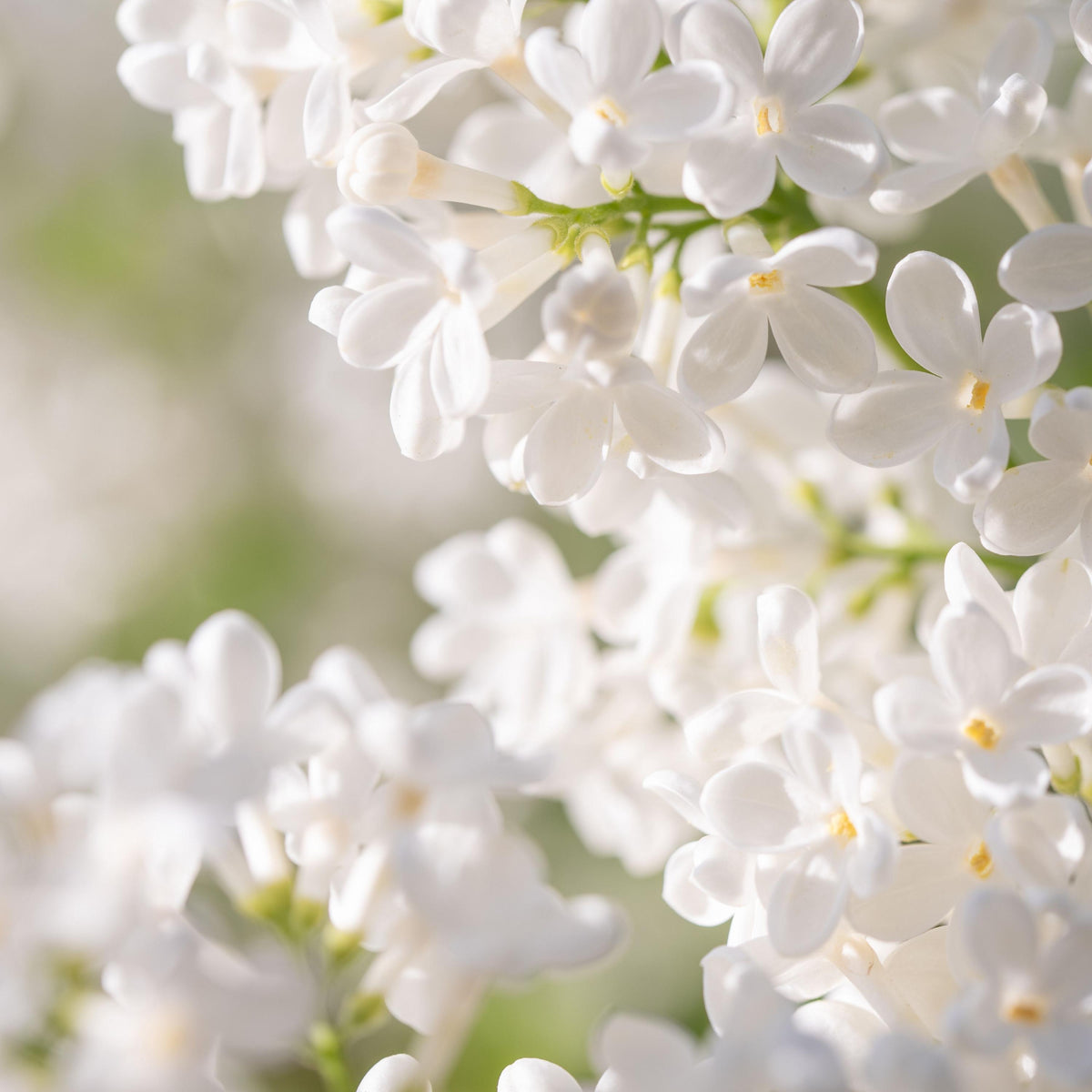
Grown from seed, common lilac (Syringa vulgaris) develops into the classic deciduous shrub with fragrant, cone-shaped clusters of white spring flowers. Seed-grown lilacs are a patient gardener's project — they take several years to bloom, and flower shade can vary slightly from the parent.
Why choose our seeds?
- Fragrant white flower clusters in late spring
- Classic deciduous shrub for borders, hedges, and specimen planting
- Hardy in zones 3–7 and long-lived once established
How to grow White Lilac seeds
Choose Your Planting Method
- Indoors: Sow pre-chilled seeds indoors in early spring.
- Outdoors: Alternatively, sow outdoors in fall so seeds chill naturally over winter.
Prepare Your Materials
- Seed-starting trays or pots
- Well-draining seed-starting mix
- Plastic bag with damp sand or peat (for stratification)
- Spray bottle for misting
Sowing the Seeds
- Seeds need a cold period: mix with damp sand or peat in a plastic bag and refrigerate for 30–60 days at about 35–40°F.
- Sow stratified seeds 1/4 inch deep and keep evenly moist.
Provide the Right Conditions
- Light: Bright light once seedlings emerge.
- Temperature: 65–75°F (18–24°C) after the cold treatment.
Germination
- Germination is irregular, typically 14–60 days after sowing stratified seed.
- Grow seedlings on in bright light; they are slow at first.
Transplanting
- Prick seedlings out into individual pots once large enough to handle.
- Grow on in pots through the first season; plant out the following late spring when sturdy.
- Space plants 6–10 feet apart in their permanent positions.
Care Tips
- Sun: Full sun for the best flowering.
- Water: Average water needs; water during dry spells in the first year.
- Fertilizer: Generally not needed — a top-dressing of compost in spring is enough.
- Prune lightly after flowering to shape; remove spent flower heads to encourage next year's buds.
Bloom Time:
Late spring (May–June), beginning a few years after sowing.