Pemdas Garden
Sweet Pea Solstice Rose Seeds - Lathyrus Odoratus, 10 seeds
Sweet Pea Solstice Rose Seeds - Lathyrus Odoratus, 10 seeds
Regular price
$3.79 USD
Regular price
$7.58 USD
Sale price
$3.79 USD
Shipping calculated at checkout.
Quantity
Your seeds arrive beautifully wrapped and ready to give.
Couldn't load pickup availability
Quantity: 10 Seeds / pack
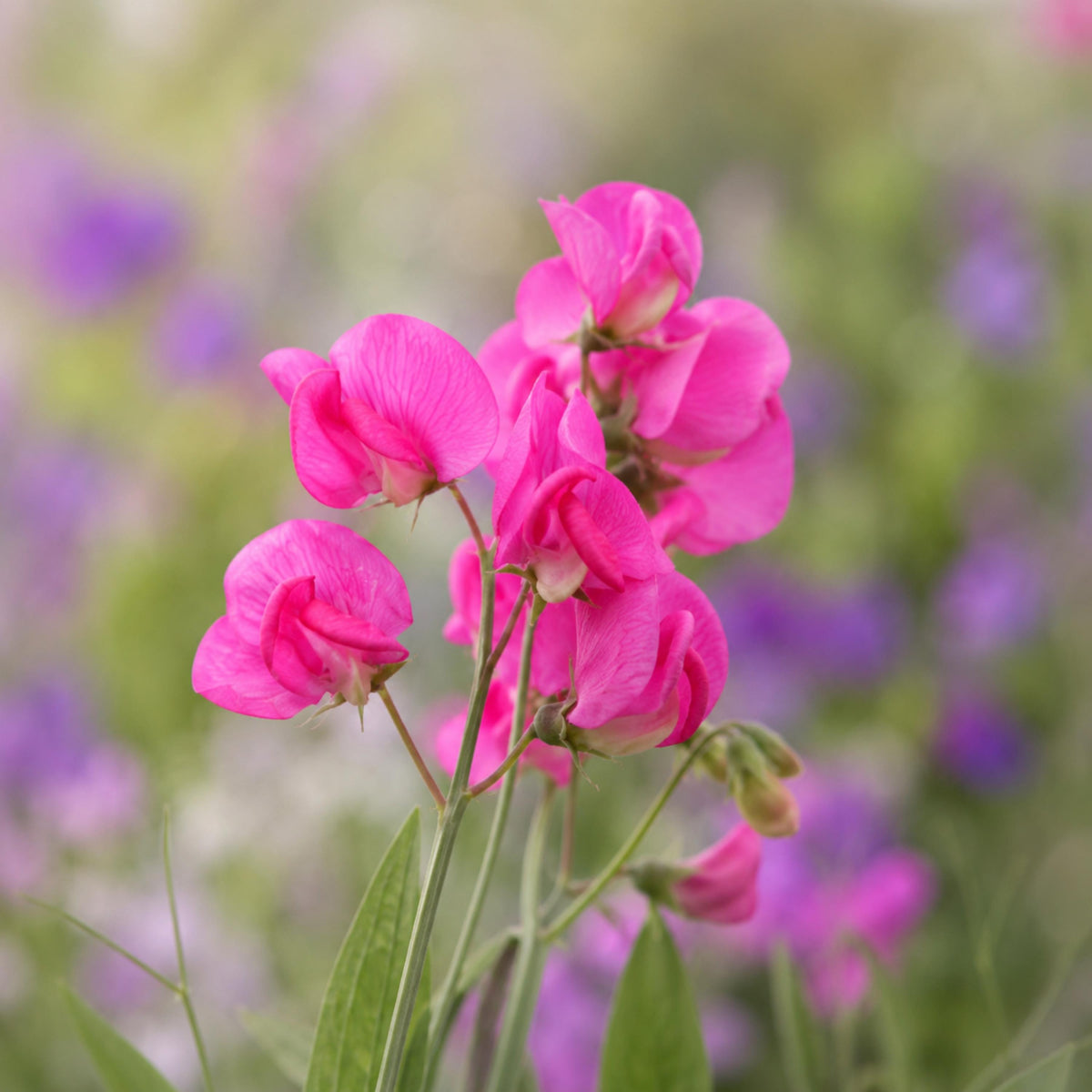
Sweet Pea 'Solstice Rose' (Lathyrus odoratus) is an extra-early flowering winter Spencer sweet pea with soft orchid-pink blooms edged in a slightly deeper pink. It is a fast-growing, productive climber 6-8 feet tall — ideal for extending the sweet pea season, and it can be autumn-sown in mild climates. Note: sweet pea seeds are harmful if eaten; grow for flowers only.
Why choose our seeds?
- Extra-early winter Spencer blooms in soft orchid-pink
- Fast, productive climber for trellises, fences, and cutting
- Autumn sowing works in mild-winter climates for an early season
How to grow Sweet Pea Solstice Rose seeds
Choose Your Planting Method
- Indoors: Start seeds indoors 4-6 weeks before the last frost in deep pots, as sweet peas develop long roots quickly.
- Outdoors: Direct sow in early spring as soon as the soil can be worked; sweet peas prefer cool weather and tolerate a light late frost.
Prepare Your Materials
- Deep pots or seed-starting trays (if indoors)
- Well-draining potting mix
- A trellis, fence, or netting ready at planting time
- Spray bottle for misting
Sowing the Seeds
- Nick each seed coat with nail clippers and soak overnight in warm water to speed sprouting.
- Sow 1/2 to 1 inch deep.
Provide the Right Conditions
- Light: Full sun to part shade; afternoon shade helps in very hot summers.
- Temperature: 55-70°F (13-21°C) — sweet peas germinate best in cool soil.
Germination
- Seedlings emerge in 7-14 days; some seeds take up to 21 days.
- Keep soil moist but not waterlogged.
Transplanting
- Plant out in early spring while the weather is still cool.
- Space seeds 2-3 inches apart, then thin plants to 5-6 inches; or set transplants about 8 inches apart.
- Train stems onto the support as soon as they are tall enough.
Care Tips
- Sun: Full sun; some afternoon shade extends bloom in hot climates.
- Water: Water regularly; rich, well-drained soil with compost gives the best show.
- Fertilizer: Feed every two weeks with a high-potash fertilizer once flowering starts.
- Pinch out the growing tips once the second pair of leaves opens, and cut or deadhead flowers frequently to prevent seed pods — picking keeps blooms coming.
Bloom Time:
Early summer to late summer; bloom lasts longest in cool weather.