Pemdas Garden
Manyflower Marsh Pennywort Seeds - Hydrocotyle Umbellata, 20 seeds
Manyflower Marsh Pennywort Seeds - Hydrocotyle Umbellata, 20 seeds
Regular price
$3.79 USD
Regular price
$7.58 USD
Sale price
$3.79 USD
Shipping calculated at checkout.
Quantity
Your seeds arrive beautifully wrapped and ready to give.
Couldn't load pickup availability
Quantity: 20 Seeds / pack
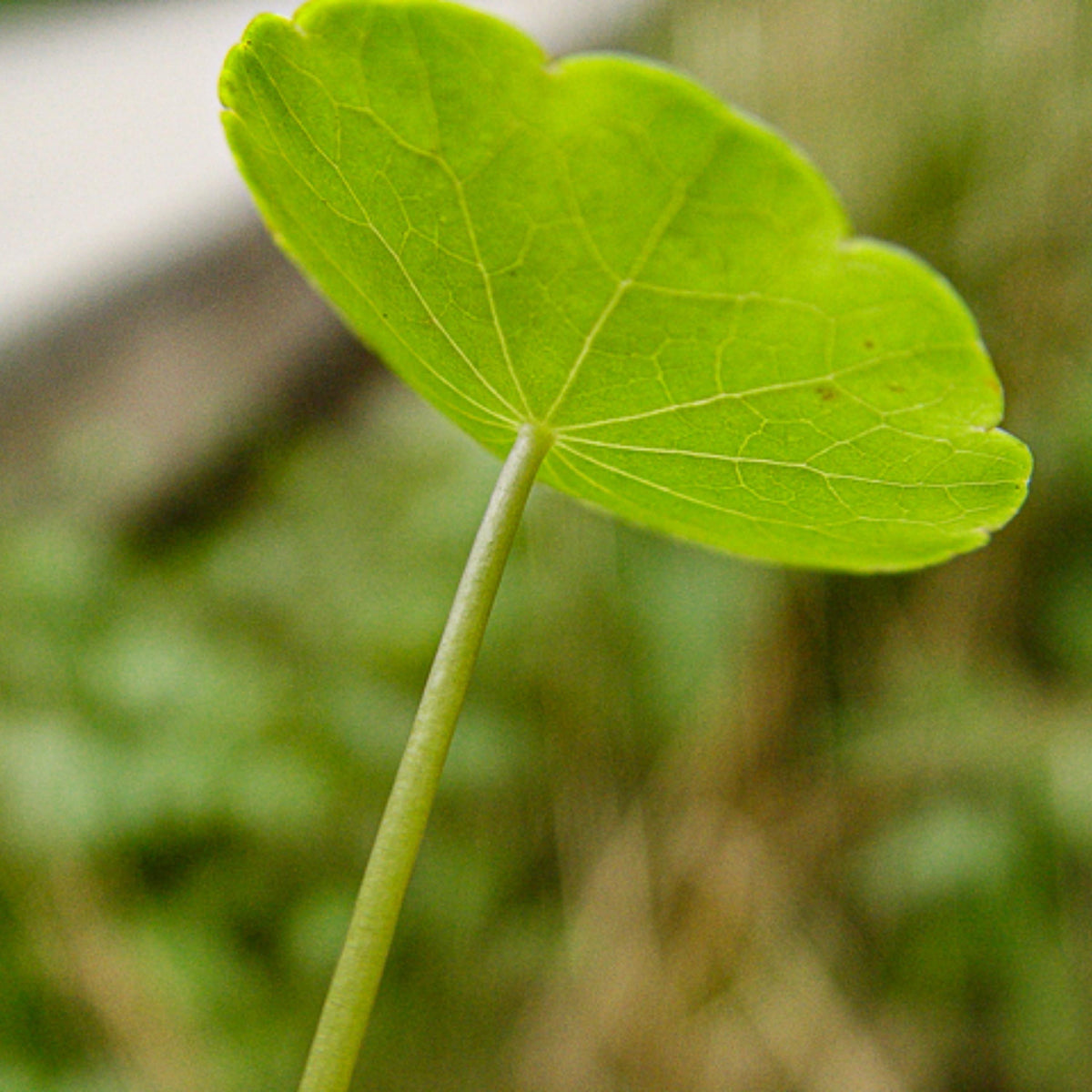
Manyflower Marsh Pennywort (Hydrocotyle umbellata) is a water-loving plant with round, umbrella-like leaves held on slender stems. It is a natural choice for pond margins, bog gardens, and other spots that stay wet, where most flowering plants will not grow.
Why choose our seeds?
- Round, umbrella-like leaves with an unusual texture for water gardens
- Thrives in wet or poorly drained soil and at pond edges
- Produces small white flowers from late spring through fall
How to grow Manyflower Marsh Pennywort seeds
Choose Your Planting Method
- Indoors: Start seeds in trays of moist seed-starting mix.
- Outdoors: Sow directly at the edge of a pond or in boggy soil once the weather has warmed.
Prepare Your Materials
- Seed-starting trays or pots (if indoors)
- Moisture-retentive seed-starting mix
- Humidity dome or plastic wrap to hold moisture
- Spray bottle for misting
Sowing the Seeds
- Sow the seeds in the moist mix and press them gently onto the surface.
- Keep the surface wet at all times; this plant does not tolerate drying out.
Provide the Right Conditions
- Light: Bright light; grows in full sun to partial shade.
- Humidity: Keep the mix constantly wet until seedlings are established.
Germination
- Keep the mix constantly moist and be patient; move seedlings to brighter light once they appear.
- Do not let the surface dry out at any stage.
Transplanting
- Move sturdy seedlings to the water's edge, a bog bed, or a container kept in standing water.
- Settle each plant so its crown sits at or just above the wet soil surface.
Care Tips
- Sun: Full sun to partial shade.
- Water: Keep the soil wet; this plant wants constant moisture.
- Spread: It can creep along wet ground, so give it room or a container to keep it in bounds.
Bloom Time:
Small white flowers appear from late spring through fall.