Pemdas Garden
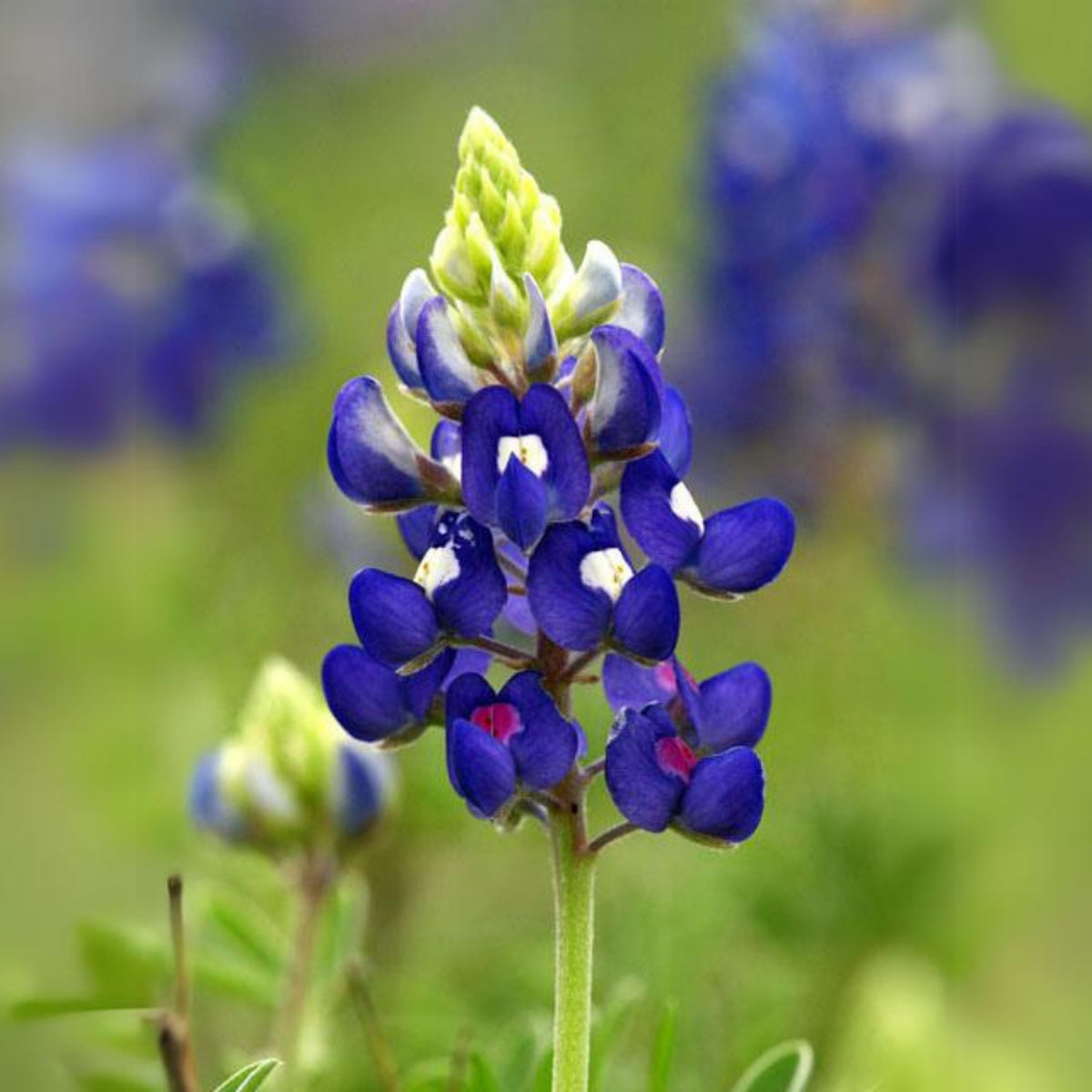
Lupinus Texensis (Texas Bluebonnet) Seeds
Lupinus Texensis (Texas Bluebonnet) Seeds
Your seeds arrive beautifully wrapped and ready to give.
Couldn't load pickup availability
How to grow Lupinus Texensis seeds
Seed Preparation
Scarification: Texas Bluebonnet seeds have a hard seed coat that benefits from scarification to improve germination rates. Gently nick the seed coat with a file or sandpaper, or soak the seeds in warm water for 12-24 hours to soften them. This helps the seeds absorb water more readily and speeds up germination.
Sowing Seeds
Outdoor Sowing
Timing: Sow seeds directly outdoors in the fall. Texas Bluebonnets germinate best in cooler temperatures and grow through the winter, blooming in spring.
Location: Choose a spot with full sun and well-draining soil. Texas Bluebonnets thrive in sunny locations and prefer sandy or gravelly soils.
Planting Depth: Scatter the seeds on the soil surface and cover lightly with soil or sand, about 1/4 inch deep. Press them gently to ensure good seed-to-soil contact.
Watering: Water gently to keep the soil moist until seeds germinate. Avoid overwatering, as Bluebonnets are adapted to drier conditions once established.
Germination Conditions
Temperature: Maintain a soil temperature of 55-65°F (13-18°C) for optimal germination.
Light: Provide full sun exposure for the best growth and flowering.
Moisture: Keep the soil consistently moist but not waterlogged during the germination period. Once established, they are more drought-tolerant.
Germination Time
Expect germination in about 10-14 days under optimal conditions.
Seedling Care
Thinning: Once the seedlings are a few inches tall and have developed their first true leaves, thin them out to prevent overcrowding. Space them about 8-12 inches apart to ensure they have room to grow and good air circulation.
Watering: Continue to keep the soil moist but not soggy. Water gently to avoid displacing the seedlings.
Transplanting
Texas Bluebonnets are best sown directly in their final growing location, as they have a deep taproot and can be sensitive to transplanting. However, if started indoors:
Hardening Off: Begin hardening off seedlings about a week before transplanting them outdoors. This helps them acclimate to the outdoor environment and reduces transplant shock.
Outdoor Planting: Transplant seedlings outdoors after the last frost date and when they are sturdy enough to handle.
Ongoing Care
Watering: Water regularly to keep the soil moist, especially during dry spells. Texas Bluebonnets prefer consistent moisture during their growing season but are somewhat drought-tolerant once established. Water at the base of the plant to avoid wetting the foliage.
Mulching: Apply a thin layer of mulch around the plants to help retain moisture and suppress weeds. This also helps maintain an even soil temperature.
Fertilizing: Texas Bluebonnets do not require much fertilization. Avoid over-fertilizing, as too much nitrogen can lead to excessive foliage growth at the expense of flowers.
Pruning: Deadhead spent flowers to encourage continuous blooming and prevent the plant from putting energy into seed production. This also helps to keep the plant tidy and can extend the flowering period.
Pest and Disease Management
Monitoring: Watch for common pests such as aphids and slugs. If necessary, treat with insecticidal soap or neem oil.
Disease Prevention: Texas Bluebonnets are relatively disease-resistant but can be susceptible to root rot if the soil is too wet. Ensure good air circulation around the plants and avoid overhead watering to reduce the risk of fungal diseases.
Treatment: If disease occurs, remove and dispose of affected leaves immediately. Apply a fungicide if necessary and ensure proper spacing and air circulation.
Summary of Growing Duration
From Sowing to Germination: Approximately 10-14 days.
From Planting to Flowering: Texas Bluebonnets typically bloom in early to late spring, with flowers lasting several weeks.
Additional Tips
Soil Preference: Texas Bluebonnets thrive in well-drained, sandy, or gravelly soil. They prefer slightly alkaline to neutral pH.
Sunlight: Provide full sun for the best growth and flowering. Texas Bluebonnets need at least 6-8 hours of sunlight per day.
Drought Tolerance: Once established, Texas Bluebonnets are relatively drought-tolerant and can thrive in dry conditions.
Self-Seeding: Texas Bluebonnets often self-seed and can return year after year if conditions are favorable. Allow some of the plants to set seed and drop naturally to encourage reseeding.
Regional Adaptation: Texas Bluebonnets are adapted to the climate and soil conditions of Texas and similar regions. They may need some care adjustments if grown outside these areas, such as ensuring good drainage and avoiding overly humid conditions.
SHIPPING
?Flat Rate delivery no matter how many seeds you order;
? Growing instructions included on each seed packet;
? FREE SHIPPING on all orders of $30 or more
.
? Please note that we cannot guarantee the success of seeds or plants because these aspects
depend on the environment in which they are cultivated.
Share