Pemdas Garden
Lassicus Lupine Seeds - Lupinus Constancei, 30 seeds
Lassicus Lupine Seeds - Lupinus Constancei, 30 seeds
Regular price
$3.79 USD
Regular price
$7.58 USD
Sale price
$3.79 USD
Shipping calculated at checkout.
Quantity
Your seeds arrive beautifully wrapped and ready to give.
Couldn't load pickup availability
Quantity: 30 Seeds / pack
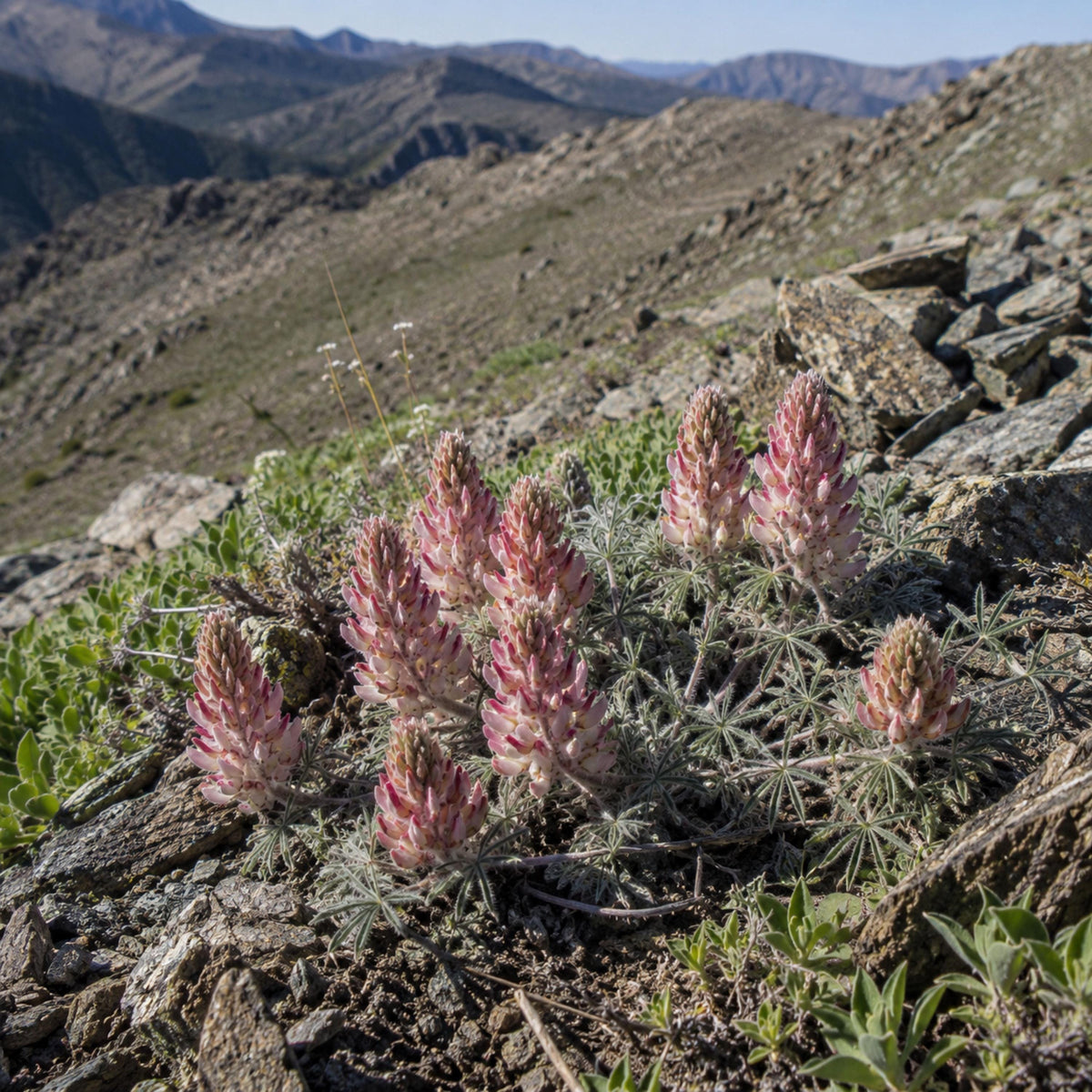
Lassicus Lupine (Lupinus constancei) is a rare wildflower species of conservation concern, grown for its showy spikes of pea-like flowers. It is a special plant for wildflower enthusiasts and wildflower gardens in suitable climates.
Why choose our seeds?
- A rare lupine species of conservation interest
- Showy spikes of pea-like flowers
- Of special interest to wildflower enthusiasts
How to grow Lassicus Lupine seeds
Choose Your Planting Method
- Indoors: Start in deep pots in late winter after pre-treatment (see below).
- Outdoors: Sow in fall or early spring where winters are mild.
Prepare Your Materials
- Deep pots or a prepared bed (lupines form a long taproot)
- Well-draining potting mix or sandy garden soil
- Fine sandpaper or a small knife (for scarification)
- Spray bottle for misting
Sowing the Seeds
- Scarify the hard seed coat by nicking it or rubbing lightly with sandpaper, then soak in warm water for 24 hours.
- Give 1–3 months of cold-moist stratification (in a refrigerator) before spring sowing.
- Sow ¼ inch deep.
Provide the Right Conditions
- Light: Full sun.
- Temperature: 55–70°F (13–21°C).
- Humidity: Keep the soil evenly moist until germination.
Germination
- Typically 14–30 days after pre-treatment.
- Handle seedlings gently; lupines resent root disturbance.
Transplanting
- Transplant only while very young, or sow where the plants are to grow.
- Established plants do not move well because of their long taproot.
- Space 12–18 inches apart in well-drained soil.
Care Tips
- Sun: Full sun.
- Water: Keep soil evenly moist during establishment.
- Fertilizer: Generally not needed; lupines fix their own nitrogen.
Bloom Time:
Spring to summer.