Pemdas Garden
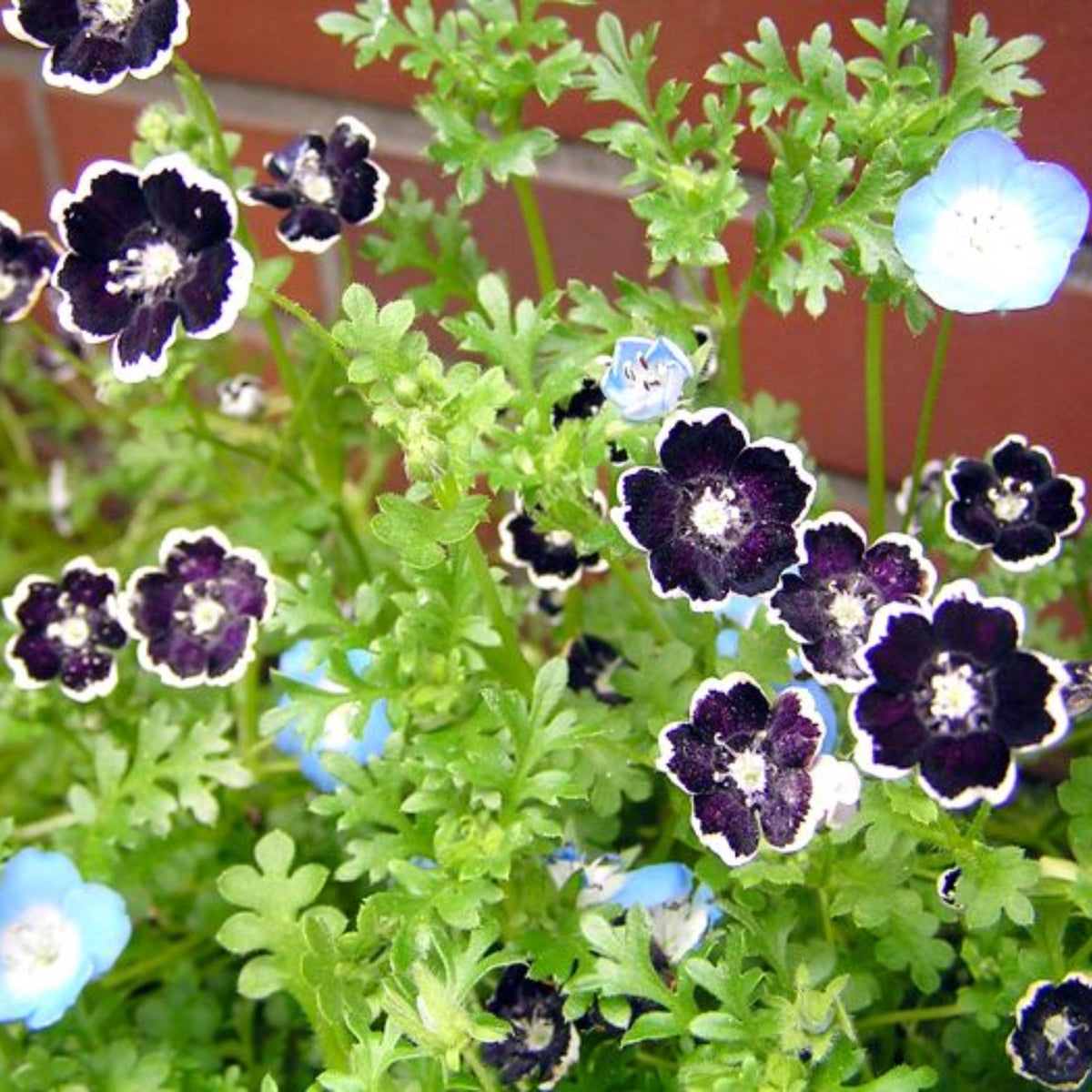
Black Penny Baby Blue Eyes Seeds - Nemophila Maculata, 30 seeds
Black Penny Baby Blue Eyes Seeds - Nemophila Maculata, 30 seeds
Regular price
$3.79 USD
Regular price
$7.58 USD
Sale price
$3.79 USD
Shipping calculated at checkout.
Quantity
Your seeds arrive beautifully wrapped and ready to give.
Couldn't load pickup availability
Quantity: 30 Seeds / pack
Black Penny Baby Blue Eyes (Nemophila maculata) is a five-spot flower with white, cup-shaped blooms, each petal marked with a deep purple-black spot near its tip. This low, spreading cool-season annual carpets beds and containers with its distinctive spring display.
Why choose our seeds?
- White blooms with a dark spot on each petal, the classic five-spot pattern
- Low, spreading habit for edging, containers, rock gardens and wildflower patches
- A cool-season annual at its best in the mild days of spring
How to grow Black Penny Baby Blue Eyes seeds
Choose Your Planting Method
- Indoors: Start indoors 6-8 weeks before the last frost, but direct sowing is preferred since seedlings dislike root disturbance.
- Outdoors: Direct sow in early spring as soon as the soil can be worked; in mild-winter areas, sow in fall for early spring bloom.
Prepare Your Materials
- Seed-starting trays or pots (if indoors)
- Well-draining potting mix
- Humidity dome or plastic wrap to hold moisture
- Spray bottle for misting
Sowing the Seeds
- Sow 1/8 inch deep and press lightly; light helps germination.
- Keep the soil consistently moist until seedlings emerge.
Provide the Right Conditions
- Light: light during germination
- Temperature: cool soil, 55-65°F (13-18°C); heat reduces germination
Germination
- Seeds sprout in about 7-21 days in cool, moist conditions.
- Germination can be uneven, so keep sowing trays or beds moist for a few weeks.
Transplanting
- Transplant carefully and as early as possible if started indoors, disturbing the roots as little as possible.
- Space plants about 6 inches apart.
Care Tips
- Sun: full sun to partial shade; afternoon shade extends the bloom season where springs are warm.
- Water: keep the soil evenly moist; blooms fade as summer heat arrives.
- Feeding is generally unnecessary; too much fertilizer favors leaves over flowers.
- Allow a few flowers to go to seed for self-sown plants the following spring.
Bloom Time:
Early to mid-spring; the display is best in cool weather.