PEMDASGARDEN
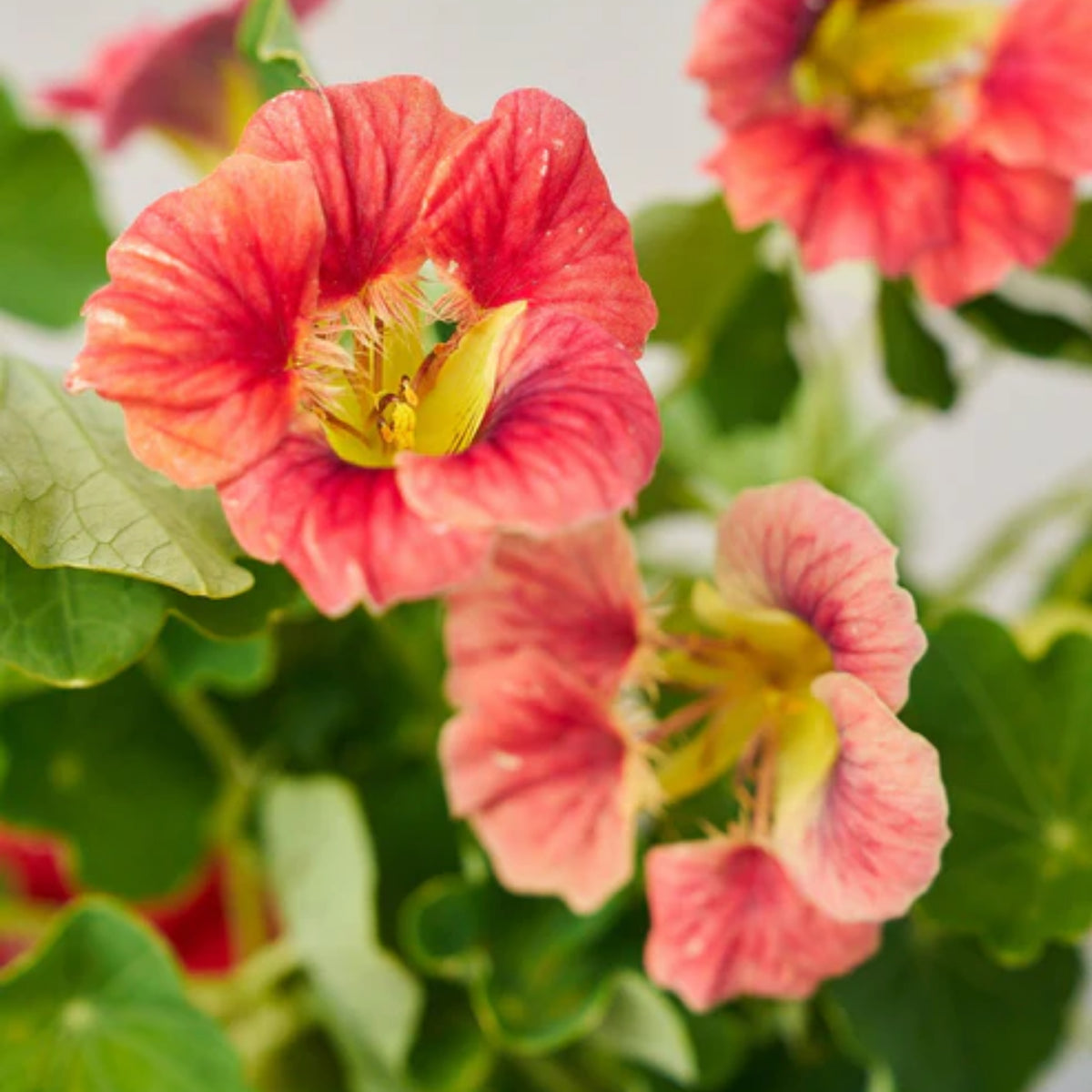
Nasturtium Ladybird Mix Seeds - Drought Resistant, Dwarf, 10+ seeds
Nasturtium Ladybird Mix Seeds - Drought Resistant, Dwarf, 10+ seeds
Regular price
$3.79 USD
Regular price
$7.50 USD
Sale price
$3.79 USD
Shipping calculated at checkout.
Quantity
Your seeds arrive beautifully wrapped and ready to give.
Couldn't load pickup availability
Quantity: 10 Seeds / pack
Discover the joy of growing Nasturtium Ladybird Mix seeds in your own garden. These seeds are perfect for both seasoned gardeners and beginners looking for a rewarding gardening experience.
Why choose our seeds?
- High-quality seeds selected for strong, healthy growth
- Perfect for home gardens, containers, and landscaping
- Selected for natural, vibrant blooms
How to grow Nasturtium Ladybird Mix seeds
When to Plant
- Outdoors: Sow seeds after the last frost in spring (soil temperature at least 55°F/13°C).
- Indoors: You can start seeds 2–4 weeks before the last frost, then transplant outdoors.
Where to Plant
- Location: Full sun (6–8 hours of sunlight daily) is best. They tolerate partial shade but may flower less.
- Soil: Well-draining soil. Poor to average soil actually encourages better flowering! (If the soil is too rich, you’ll get lots of leaves but few flowers.)
How to Sow Seeds
- Preparation: (Optional) Soak seeds in warm water for 4–6 hours before sowing to speed up germination.
- Planting Depth: ½ inch (1.25 cm) deep.
- Spacing:
- Bush types: 10–12 inches (25–30 cm) apart.
- Vining types: 12–18 inches (30–45 cm) apart, with support (trellis or fence).
Watering
- After Planting: Water well to settle the soil.
- During Growth:
- Keep soil evenly moist, but not soggy.
- Once established, Nasturtiums are fairly drought-tolerant.
- Overwatering can cause root rot.
Germination
- Time: Seeds usually sprout in 7–14 days.
- Temperature: Ideal soil temperature is 55–65°F (13–18°C).
Care Tips
- Fertilizer: Not necessary. Avoid fertilizing — it leads to more leaves, fewer flowers.
- Support: Vining types appreciate a trellis, fence, or support structure.
- Deadheading: Not required but removing old flowers can extend blooming.
- Pests: Usually pest-resistant, but watch for aphids and caterpillars.
Harvesting
- Leaves, flowers, and seeds are all edible — peppery and fresh tasting!
- Harvest young leaves and flowers regularly for salads and garnish.
?? Quick Reminder:
Plant after frost.
Full sun.
Poor soil = more blooms.
No fertilizer.
Easy to grow = Happy gardener! ??