

Planting Calendar: When to Plant Vegetables by Zone
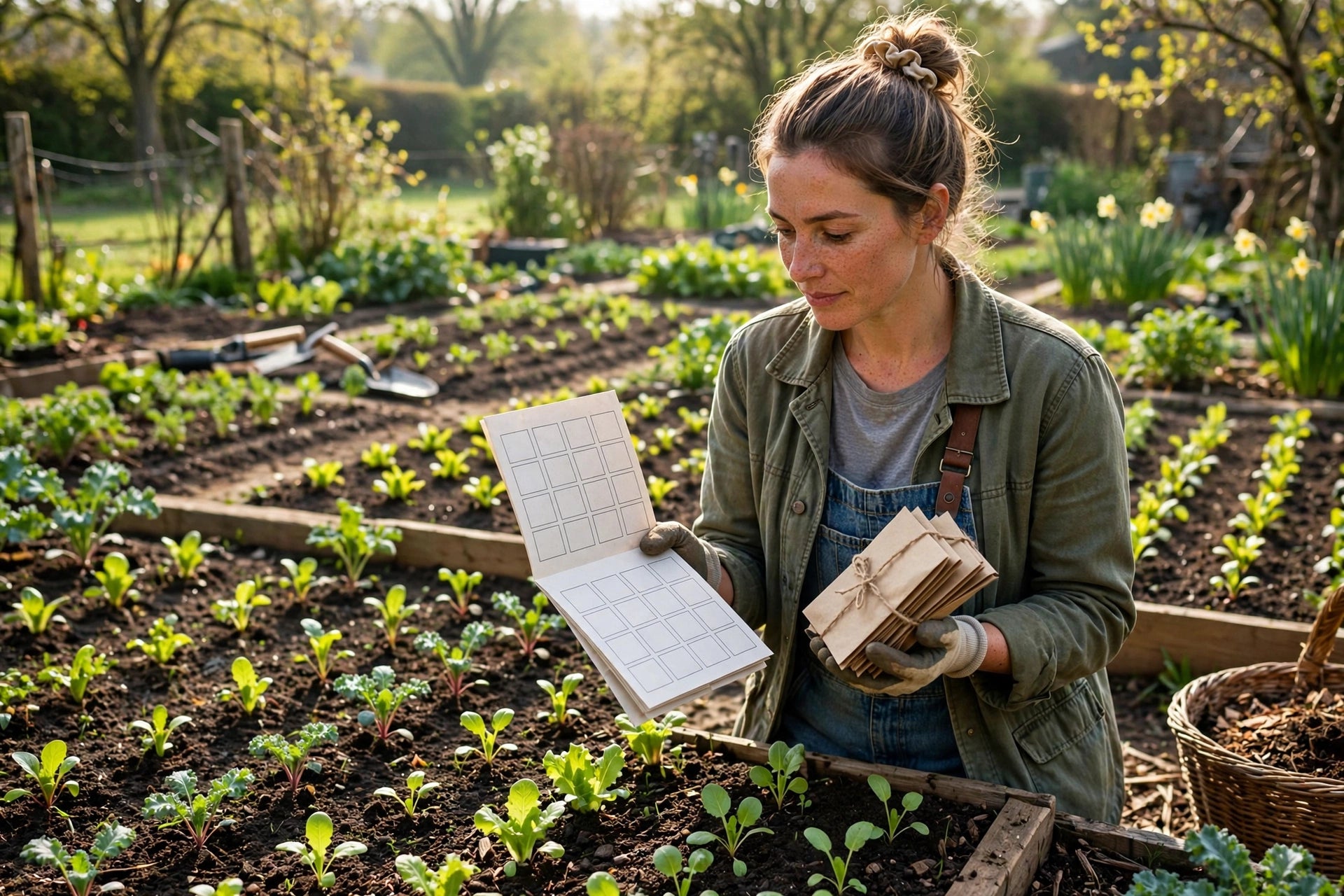
Every gardener has felt that spring itch — the seed packets are calling, the soil looks ready, and you're one warm afternoon away from planting everything at once. Then a late frost rolls through and turns your tomato seedlings into expensive compost. Timing isn't just a detail in gardening. It's the whole game.
The trouble is, "plant after the last frost" is vague advice when you don't know your last frost date, your zone, or which crops can handle a chill and which can't. That's exactly what a planting calendar fixes. Our free Planting Calendar tool builds a personalized crop schedule from your local average frost dates — so you know what to sow, what to transplant, and when.
What a planting calendar actually does
A planting calendar takes two anchor dates — your average last spring frost and your average first fall frost — and works backward and forward from them to place every crop in its ideal window. Cool-season crops like peas, spinach, and lettuce go in weeks before the last frost. Warm-season crops like tomatoes, peppers, and cucumbers wait until after it.
The Planting Calendar on our gardening tools page does this math for you. Pick a crop, enter your USDA zone and your average frost dates, and you get a personalized schedule: when to start seeds indoors, when to direct-sow, and when to transplant. No more guessing, no more gambling with a $4 seedling.
One honest note the tool itself makes: these dates are starting points, not commandments. Weather and soil temperature still decide the actual planting day. A calendar tells you the window — your thermometer tells you the moment.
Why frost dates matter more than the calendar month
Gardeners love to ask "what month do I plant tomatoes?" But the honest answer is: it depends on where you live. In USDA zone 9, you might transplant tomatoes in March. In zone 5, you're waiting until late May. Same crop, two months apart — and both are right.
Frost dates are 30-year averages compiled from weather station data (NOAA maintains the U.S. records), and they mark the statistical boundaries of your growing season. The "average last spring frost" means that in half of the past 30 years, the last frost came before that date — and in half, after. It's a probability, not a promise.
This is why the calendar beats the month. "Plant tomatoes in May" is wrong for half the country. "Plant tomatoes two weeks after your average last frost" is right everywhere. If you don't know your frost dates yet, our Frost Date Calculator tool estimates them from your ZIP code.
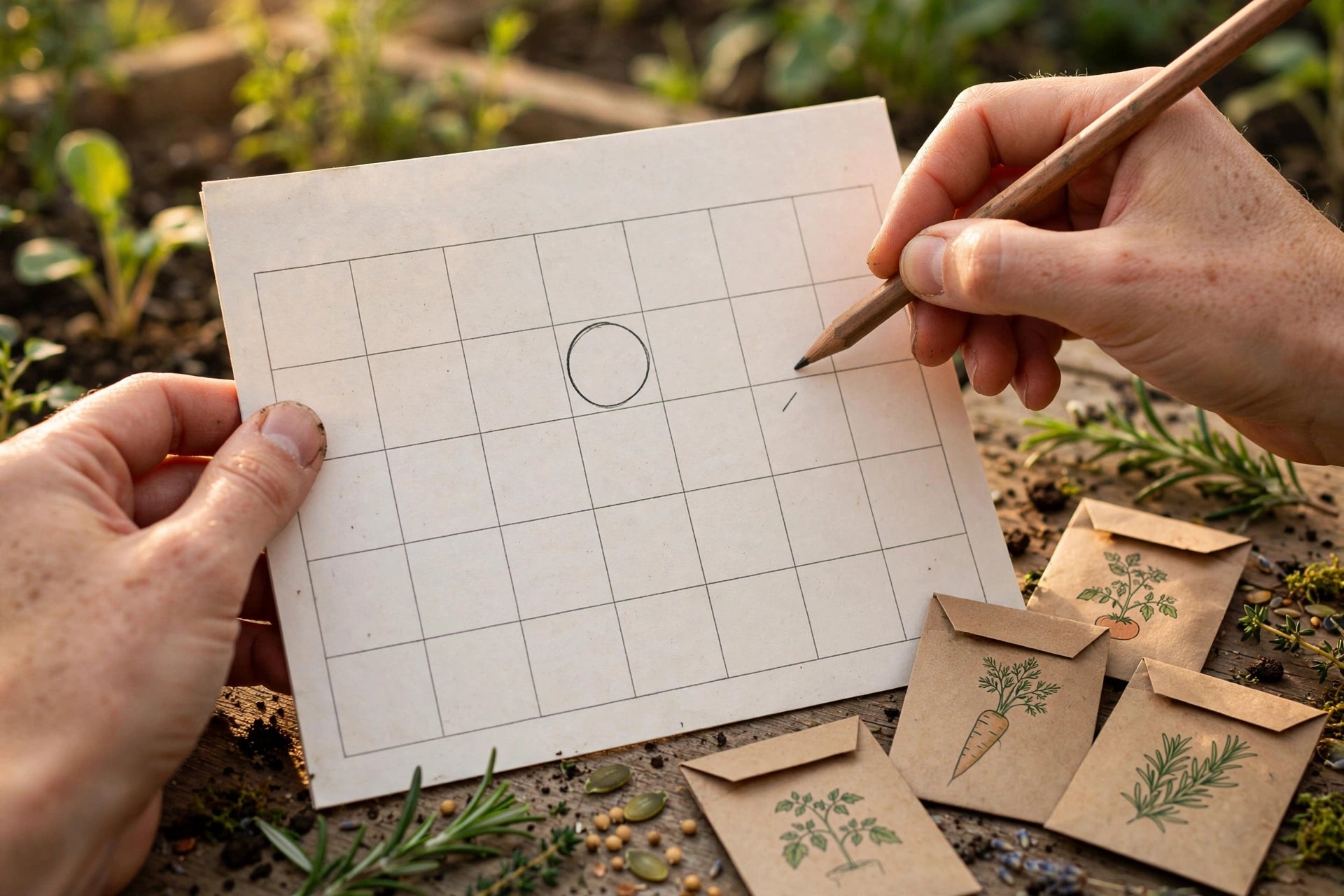
Cool-season vs. warm-season: the split that runs everything
Nearly every planting decision comes down to one question: is this crop cool-season or warm-season? Cool-season crops — lettuce, spinach, peas, radishes, carrots, broccoli, kale — germinate in cool soil and tolerate (or even prefer) light frost. Many can go in 2–6 weeks before your last frost date.
Warm-season crops — tomatoes, peppers, eggplant, cucumbers, squash, beans, basil — need warm soil to germinate and sulk or die in cold. They go in after the last frost, and the heat-lovers among them (peppers, eggplant, basil) do best waiting an extra week or two until nights are reliably above 50°F.
The planting calendar handles this split automatically. When you select a crop in the tool, it knows which category it belongs to and places it at the right offset from your frost dates. It's the kind of thing experienced gardeners do in their heads — now it's written down for everyone.
How to use the planting calendar tool
Using the tool takes about a minute. Here's the walkthrough:
Step 1: Pick your crop. Choose from the crop list — vegetables, herbs, and common flowers are all in there.
Step 2: Enter your USDA zone. Don't know it? Use the Gardening Zone Lookup tool on the same page — it takes ten seconds with your ZIP code.
Step 3: Enter your average frost dates. Your average last spring frost and average first fall frost. The Frost Date Calculator can estimate these if you don't have local records.
Step 4: Read your schedule. The tool shows when to start seeds indoors, when to direct-sow outdoors, and when to transplant — all anchored to your dates. Screenshot it or jot it down; it's your season at a glance.
Common timing mistakes the calendar prevents
Starting warm-season seeds too early indoors. Tomato seedlings started eight weeks before transplant date become leggy, root-bound monsters. The calendar's indoor-start dates keep you honest — usually 6–8 weeks for tomatoes and peppers, 3–4 for cucumbers and squash (which resent transplanting anyway).
Direct-sowing cool crops too late. Peas and spinach planted in late spring bolt before they produce. The calendar puts them in their early window, where they belong.
Forgetting the fall garden. Most gardeners quit in August, but fall is prime time for a second round of cool-season crops. The calendar works backward from your first fall frost to show what you can still sow — often more than you'd expect.
Ignoring soil temperature. Air frost dates are only half the story. Seeds germinate based on soil temperature: peas sprout at 40°F soil, tomatoes want 65°F+. If you're unsure, a simple soil thermometer beats any calendar. For more on getting seedlings off to a strong start, see our guide on why seedlings stall.
Frequently asked questions
What is a planting calendar? A planting calendar is a schedule that tells you when to sow, transplant, and harvest each crop, anchored to your local frost dates and USDA zone. Our free tool builds one for your specific location in about a minute.
When should I plant vegetables in my zone? It depends on the crop and your frost dates. Cool-season crops go in 2–6 weeks before your average last frost; warm-season crops go in after it. Enter your zone and frost dates in the Planting Calendar for exact dates.
What is the difference between last frost date and planting date? The last frost date is a statistical average — half the years, frost comes later. Your planting date adds a safety margin based on each crop's cold tolerance. Tender crops get a bigger margin than hardy ones.
Can I plant before the last frost date? Yes, for hardy cool-season crops — peas, spinach, kale, and radishes all tolerate frost and prefer cool soil. Never for warm-season crops like tomatoes, peppers, or basil. When in doubt, check the calendar's per-crop guidance.
How accurate are average frost dates? They're 30-year averages, so treat them as planning estimates. In any given year, the actual last frost can fall a couple of weeks on either side. Watch the 10-day forecast as your date approaches — that's your final call.
Sources
- NOAA National Centers for Environmental Information — U.S. climate normals and frost/freeze date records. - USDA Plant Hardiness Zone Map (2023) — zone definitions and methodology. - Cornell University Extension — vegetable planting schedules and soil temperature guidelines. - University of Minnesota Extension — planting dates for home vegetable gardens.
Wrapping things up!
Good timing is the cheapest yield booster in gardening — it costs nothing and changes everything. Build your schedule with the free Planting Calendar, double-check your frost dates and zone with the companion tools on our gardening tools page, and plant with confidence this season. Ready to fill that calendar? Browse our vegetable seed collection and put your dates to work. Happy planting!
