

How to Grow Pansies from Seed: Fall Blooms Guide
By Paul Smith, pemdasgarden.com
Pansies are the cool-season flower that laughs at the first frost. While summer annuals are collapsing in September, a well-timed sowing of pansy seeds is just hitting its stride, opening cheerful faces that can bloom from fall straight through winter in mild climates. The catch: pansy seed plays by different rules than most flower seed. It germinates in darkness, sulks in heat, and grows slowly — get those three details right and the rest is easy.
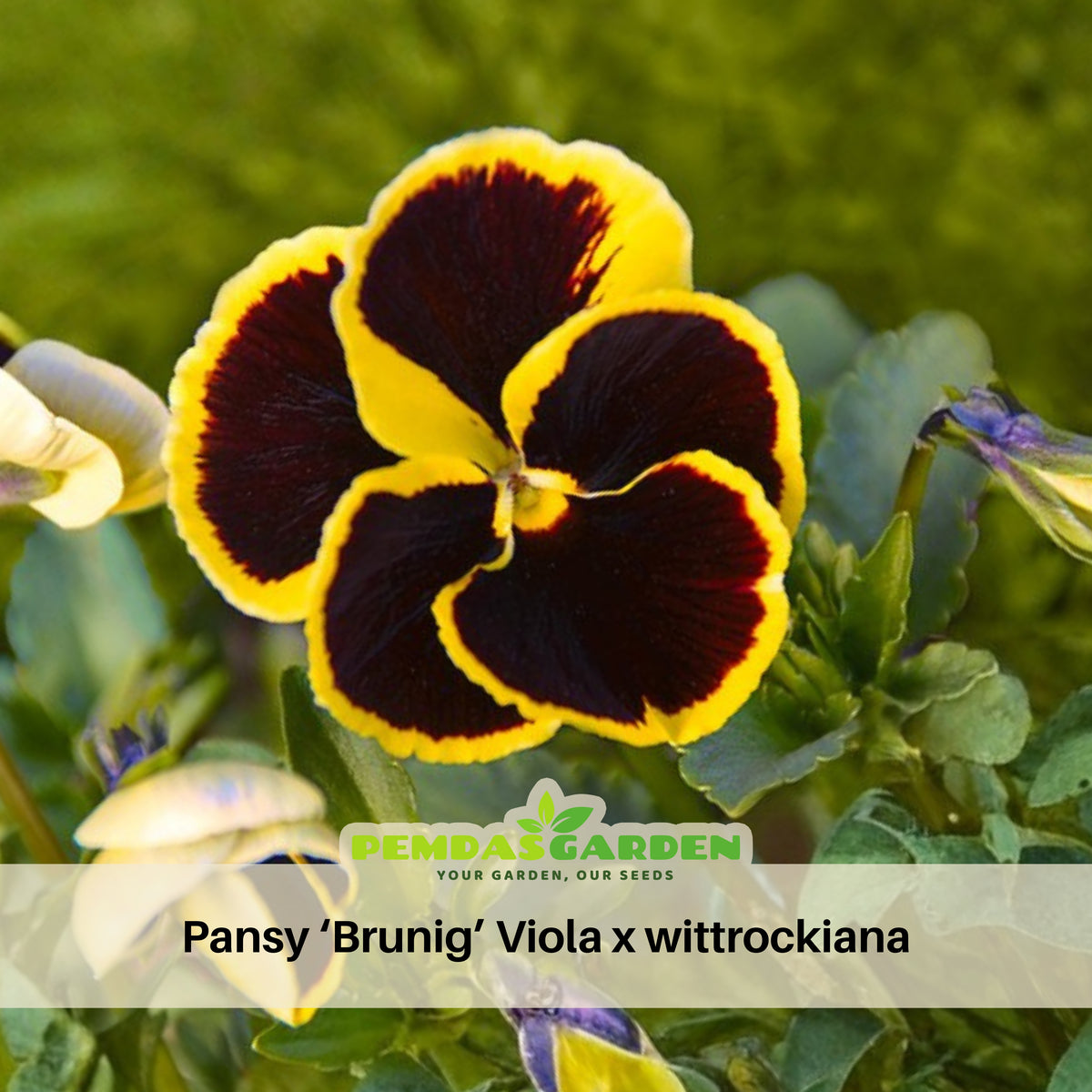
Garden pansies (Viola x wittrockiana) are technically short-lived perennials, but nearly everyone grows them as cool-season annuals, planted in spring for early color or in late summer for fall and winter display. Flowers come in an almost unreasonable range of colors and patterns, from near-black purples to clear yellows with dark blotched "faces."
Free planning tools: put this guide to work with the Seed Starting Calculator and Planting Calendar on our Gardening Tools hub.
Sow in Darkness — Pansies Germinate Without Light
This is the detail that sinks most first attempts. Unlike petunias or snapdragons, pansy seed needs darkness to germinate. Sow 1/8 inch deep and cover the tray — a sheet of black plastic, cardboard, or an inverted second tray all work. Check daily and remove the cover the moment seedlings emerge.
- Temperature: Keep the growing medium at 65 to 68°F. Warmer than about 75°F and germination stalls; cooler than 60°F and it drags out past two weeks.
- Time: Expect sprouts in 5 to 14 days under good conditions. Professional growers see emergence in about 5 days at steady 65–68°F.
- Moisture: Keep the mix evenly moist but not saturated. A humidity dome helps until emergence, then vent it promptly for airflow.
- Seed handling: Pansy seed is small. Mix it with a pinch of dry sand to distribute it evenly, and press gently for good seed-to-soil contact.
When to Sow: Count Backward from Bloom Time
Pansies are slow. From sowing to first flower is roughly 12 to 14 weeks, so timing is everything. For fall blooms, sow indoors in mid to late summer — about 12 weeks before you want flowers. For spring blooms, start indoors 8 to 10 weeks before your last frost date.
Sow dates shift with your USDA zone — adjust by a few weeks for your climate. In zones 7 and warmer, fall-sown pansies planted out in autumn will bloom through winter and surge again in spring. In zones 6 and colder, treat fall pansies as a bonus autumn display and plan a spring sowing for the main show. See our pansy planting calendar for zone-by-zone timing.
Grow Seedlings Cool and Bright
Once seedlings emerge, move them immediately to strong light and cool conditions — around 60 to 65°F days is ideal. Warm, dim indoor spots produce leggy, weak transplants that never quite recover. A cool garage windowsill or an unheated bright room beats a cozy living room every time.
Transplant seedlings into individual cells or small pots once they have two sets of true leaves. Feed lightly with diluted liquid fertilizer every two weeks; pansies are light feeders and excess nitrogen gives soft, floppy growth.
Plant Out and Space for Airflow
Harden seedlings off for about a week, then plant out when daytime temperatures are reliably below 75°F. Space plants 6 to 8 inches apart in beds or cluster 3 to 5 per 12-inch container for instant impact.
Pansies want full sun to light shade and rich, well-drained soil with plenty of compost. In hot-summer regions, afternoon shade extends the season dramatically — this is a flower that blooms hardest when nights are cool.
Deadhead Relentlessly
The single highest-impact chore: pick off faded flowers every few days. Pansies that are allowed to set seed shut down blooming fast; deadheaded plants keep pushing new buds for months. Pinch the whole flower stem off at its base rather than just pulling petals.
Overwintering in Mild Climates
In zones 7 and up, fall-planted pansies typically survive winter with a light mulch of shredded leaves or straw. They may pause blooming during the coldest weeks, then explode in early spring — often outperforming spring-planted pansies. In colder zones, a thick mulch and a sheltered spot near the house can still carry them through, but expect some losses.
Common Mistakes
- Sowing on the surface in bright light — pansy seed needs darkness; bury it 1/8 inch deep and cover the tray.
- Germinating in summer heat — above 75°F, expect poor, uneven sprouting. Wait for cooler weather or sow indoors with AC.
- Starting too late for fall — 12 to 14 weeks from seed to flower means August sowing for October blooms.
- Letting seed pods form — every faded flower left on the plant is a signal to stop blooming.
- Overfeeding — heavy fertilizer grows leaves, not flowers.

Frequently Asked Questions
Do Pansy Seeds Need Light to Germinate?
No — the opposite. Pansy seed germinates in darkness. Cover seeds 1/8 inch deep and cover the tray until seedlings emerge, then give them strong light immediately.
How Long Do Pansies Take to Grow from Seed?
About 12 to 14 weeks from sowing to first bloom, which is why indoor starting and backward planning from your bloom target matters so much.
Can Pansies Survive Winter?
In USDA zones 7 and warmer, usually yes with light mulch. They tolerate light frosts easily and often bloom through mild winters, with a big spring flush.
Why Are My Pansies Leggy with Few Flowers?
Heat is the usual cause — pansies stall and stretch when days stay hot. Afternoon shade, consistent water, and deadheading help; cool weather fixes it outright.
Keep growing: explore flower seeds for cool seasons, try fellow frost-tough viola seeds, read our pansy sowing calendar, or browse the Growing Guides hub.