

Growing Sage from Seed: Perennial Herb Success Guide
By Paul Smith, pemdasgarden.com
Sage is the herb that rewards patience twice over. It asks for a little extra care at the seed stage — slow, sometimes patchy germination that tests beginners — and then pays you back as a woody perennial that returns every spring for years. If you have only grown sage from nursery transplants, starting sage seeds yourself opens up far more varieties and costs a fraction of the price.
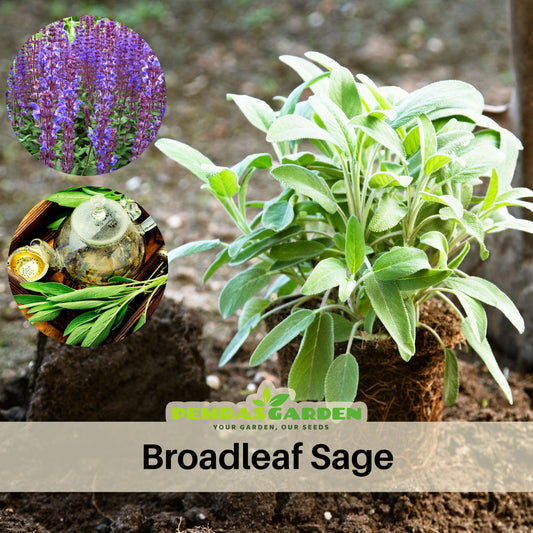
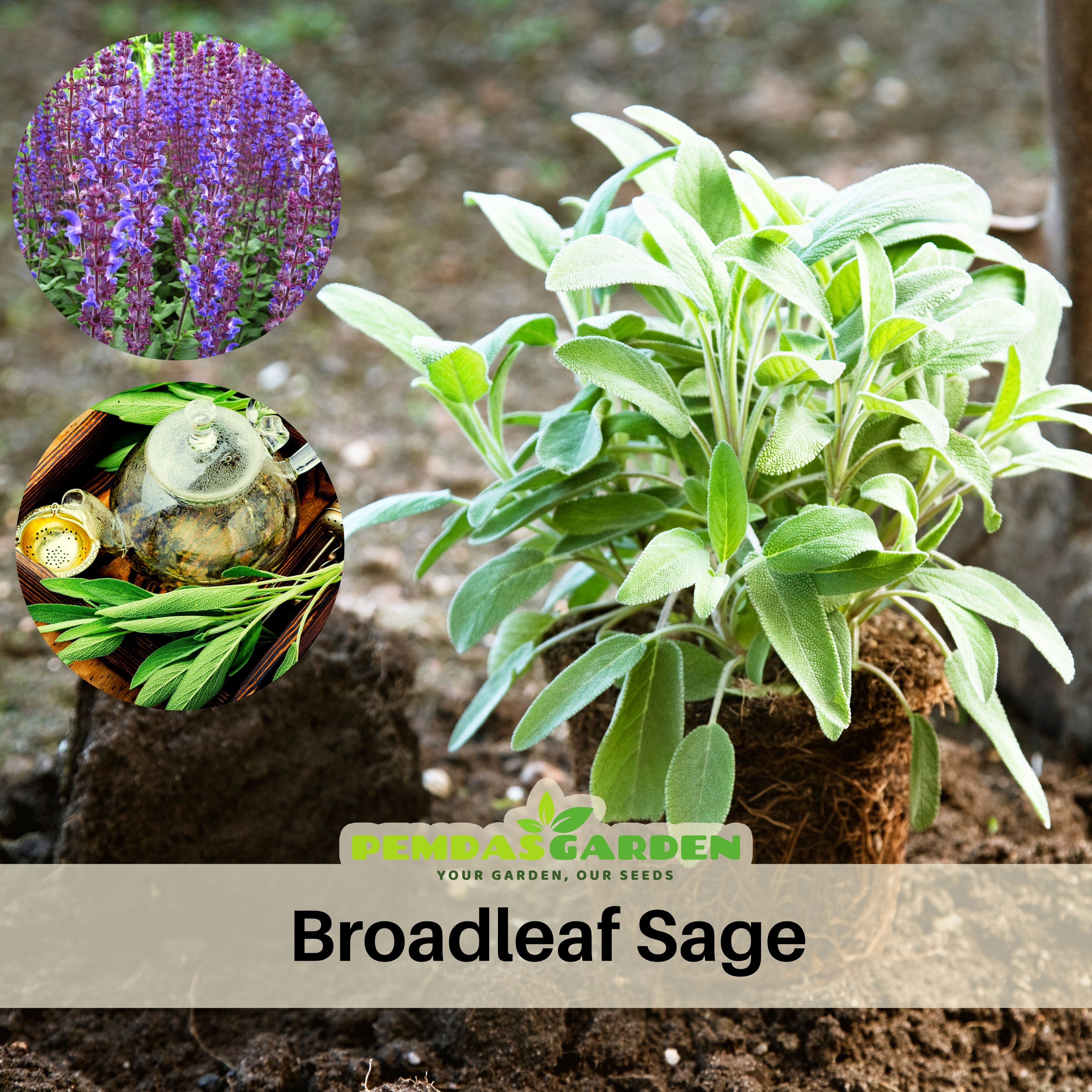
Common sage (Salvia officinalis) is a Mediterranean native, hardy in zones 4 to 8. Its pebbled, silvery-green leaves carry the earthy flavor behind stuffing, brown butter sauces, and roasted meats, while its spikes of lavender-blue summer flowers make it genuinely ornamental — bees adore it.
Start Indoors 6 to 8 Weeks Before Last Frost
Sage seed is small and germination is unhurried, so give it an indoor head start. Sow 2 to 3 seeds per cell in sterile seed-starting mix, 1/4 inch deep, and thin to the strongest seedling after sprouting. Barely covering is fine — the key variable is warmth, not depth.
- Temperature: 65 to 70°F is the sweet spot. A heat mat makes a real difference; cool room-temperature sowing often stalls.
- Time: Expect 7 to 21 days. Sage has a naturally low and uneven germination rate, so sow extra and do not give up at day ten.
- Moisture: Keep the mix lightly moist with a spray bottle — sage seedlings damp off easily in soggy mix. Good air circulation helps.
- Light: Move seedlings under strong light the moment they emerge so stems stay stocky.
Transplanting: Drainage Is Everything
Move seedlings outdoors after all frost danger has passed, spacing plants 12 inches apart in rows 18 inches apart. Here is the non-negotiable: sage demands sharp drainage. Heavy clay that stays wet in winter kills more sage plants than cold ever does. If your soil is heavy, plant in a raised bed, a slope, or a container, and consider mixing coarse sand or fine gravel into the planting hole.
Full sun produces the most aromatic leaves, though sage tolerates part shade. Soil pH between 6.0 and 7.0 suits it, and average fertility is plenty — rich soil and heavy feeding produce soft, less flavorful growth.
First-Year vs. Established Harvests
Go easy the first year: snip individual leaves once plants are well established, but let the plant build its woody framework. From the second year on, harvest boldly — cut stems back to within 6 inches of the base just as the flower buds begin to open, which is when essential-oil concentration peaks. For drying, hang small bunches upside down in a well-ventilated spot out of direct sunlight; sun-bleached sage loses both color and potency.
Perennial Care: The 3-to-4-Year Rhythm
Sage gradually grows woody and leggy, and productivity declines after 3 to 4 years. Plan on replacing plants on that cycle — which is another good reason to master seed starting. Each spring, prune back dead wood and shape lightly, but never cut into old leafless wood that shows no buds; sage rarely resprouts from it. In very cold zones, a winter mulch protects the crown, and excellent drainage matters more than wrapping.
Common Mistakes
- Giving up on germination too soon. Three weeks at steady 65-70°F is normal — impatience is the top killer of sage sowings.
- Burying seeds too deep or sowing into cold soil. Shallow and warm wins.
- Planting in wet, heavy soil. Winter wet kills sage; amend or elevate.
- Overwatering established plants. This is a drought-tolerant Mediterranean — let the top inch dry between waterings.
- Keeping the same plant for a decade. Replace every 3 to 4 years for vigorous, flavorful growth.
Garden tools that help: count back from your frost date with the Seed Starting Calculator, and confirm your hardiness zone with the Gardening Zone Lookup on our gardening tools hub.
Frequently Asked Questions
How long do sage seeds take to germinate?
Typically 7 to 21 days at 65 to 70°F. Cooler conditions stretch this toward a month. See our detailed sage germination timeline for troubleshooting slow trays.
Is sage hard to grow from seed?
Moderately. Germination is slower and patchier than basil or dill, but the technique is simple: shallow sowing, steady warmth, light moisture. Sow extra seed to compensate.
Will sage come back every year?
In zones 4 to 8, yes, provided drainage is excellent. Treat it as a short-lived perennial and start replacements every few years.
Can I grow sage in a pot?
Absolutely — containers with drainage holes and a gritty potting mix are ideal, especially where garden soil stays wet. A 12-inch pot fits one plant comfortably.
Keep growing: Browse all herb seeds, compare notes with our rosemary and thyme guides — sage's fellow Mediterranean perennials — or return to the Growing Guides hub.