

Frost Date Calculator: Find Your Last & First Frost
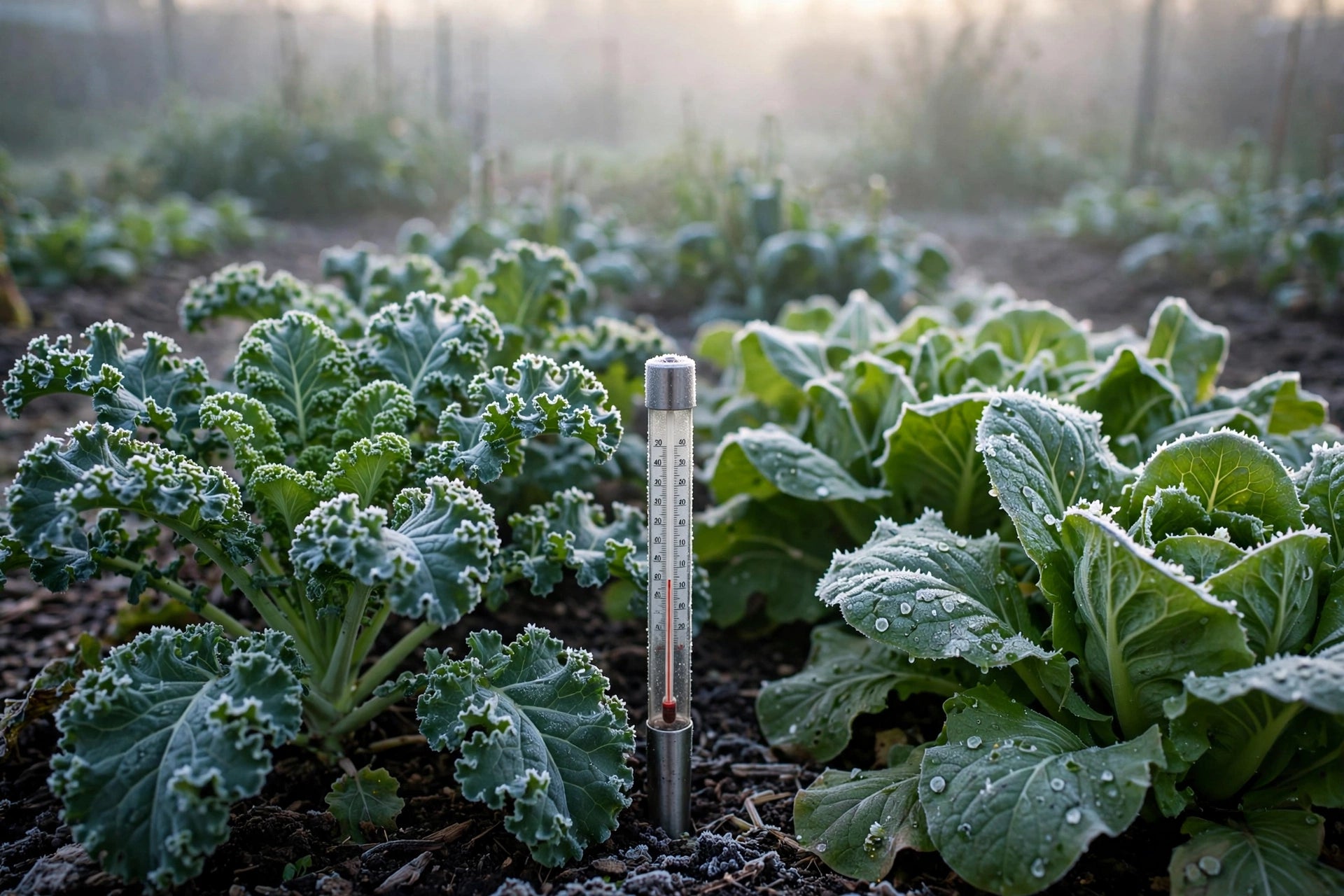
Ask ten gardeners when their last frost date is and seven will guess. The other three looked it up — and their gardens show it. Frost dates are the two most important dates in your gardening year, and most of us are working from vibes instead of data.
Your average last spring frost tells you when it's (statistically) safe to plant tender crops. Your average first fall frost tells you when the season ends — and how much time fall crops have left. Our free Frost Date Calculator estimates both from your ZIP code in seconds, so you can stop guessing and start planning.
What the frost date calculator tells you
Enter a 5-digit U.S. ZIP code and the tool returns planning estimates for your average last spring frost and average first fall frost. It uses built-in coverage from representative metro ZIP prefixes — not a full weather-station database — so think of the results as solid planning estimates rather than gospel.
If your exact area isn't in the built-in coverage, you'll get a zone-based fallback estimate instead. Either way, you walk away with the two anchor dates that every other garden decision hangs on. Pair it with the Planting Calendar tool and those dates turn into a full-season sowing schedule automatically.
Why "average" doesn't mean "guaranteed"
Here's the part most gardening advice skips: an "average last frost date" is a 30-year statistical mean. In roughly half of those years, the last frost arrived after that date. So if your average last frost is April 15 and you plant tender tomatoes on April 16, you've got roughly coin-flip odds of getting burned in any given year.
Experienced gardeners handle this with margins. Hardy crops (peas, spinach, kale) go in before the average date — they don't care about a late frost. Tender crops (tomatoes, peppers, basil, cucumbers) go in one to two weeks after it, when the odds have shifted in your favor. The calculator gives you the anchor; your risk tolerance sets the margin.
And in the year itself, the 10-day forecast is your real decision-maker. Use the average date for planning in January, and the forecast for the final call in April. Our Daily Garden Forecast tool turns the 7-day outlook into plain-English garden actions.
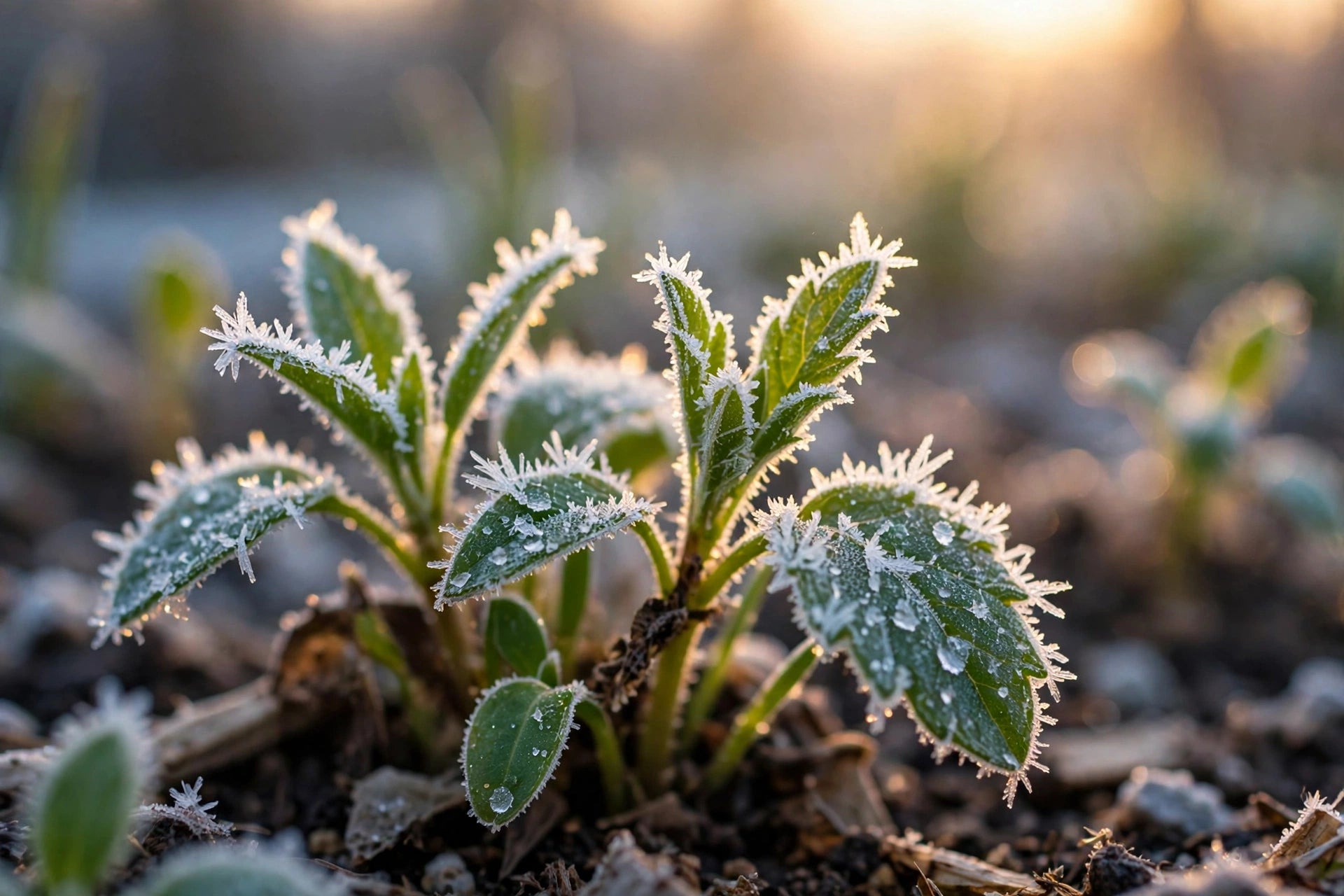
Last frost vs. first frost: how gardeners use each
Last spring frost runs the spring. It sets indoor seed-starting dates (count backward 6–8 weeks for tomatoes), direct-sow dates for cool crops (2–6 weeks before), and transplant dates for warm crops (1–2 weeks after). Miss it by guessing early and you replant. Miss it by guessing late and you lose weeks of growing season.
First fall frost runs the autumn. It tells you when tender crops will die, which means you can work backward to find your last sowing dates for fall carrots, spinach, radishes, and garlic (which actually wants to go in before the ground freezes). Most gardeners underuse the fall season badly — the first frost date is what unlocks it.
Together, the two dates define your frost-free growing season length. A 120-day season and a 200-day season are different gardening worlds: different variety choices, different succession plans, different everything. Knowing your number changes how you shop for seeds.
Microclimates: why your yard isn't the weather station
Frost date estimates describe your general area, but your actual yard has microclimates that shift things by several degrees. Low spots collect cold air (frost pockets). South-facing walls radiate heat at night. Urban areas run warmer than surrounding countryside.
This cuts both ways. If your garden sits in a low spot, your real last frost may run a week later than the estimate — add margin. If you're against a warm brick wall in the city, you might get away with planting a few days early. After a season or two of watching, you'll know your yard's personal offset. Write it down — that's what our Garden Journal tool is for.
For night-by-night frost risk once the season starts, the Should I Cover My Plants Tonight? tool checks the overnight low against your plants' cold tolerance. It's the daily companion to these seasonal averages.
How to use the frost date calculator
Step 1: Head to our gardening tools page and find the Frost Date Calculator.
Step 2: Enter your 5-digit U.S. ZIP code.
Step 3: Read your two estimates — average last spring frost and average first fall frost. If you get a zone-based fallback, treat it as a rougher estimate and cross-check with a local extension office or longtime neighbor gardeners.
Step 4: Put the dates to work — plug them into the Planting Calendar for a full schedule, and note them where you'll see them in spring (fridge door counts).
Frequently asked questions
What is my last frost date? Your average last spring frost date is the 30-year average date of the final spring frost in your area. Enter your ZIP code in our free Frost Date Calculator for a planning estimate.
How do I find my first frost date? Same tool, same ZIP code — it returns both your average last spring frost and average first fall frost together, since every planting plan needs both anchors.
Is the last frost date the same every year? No — it's an average, and the actual date swings a couple of weeks either way year to year. Use it for planning, then watch the 10-day forecast as the date approaches for your final planting decision.
What happens if I plant before the last frost? Hardy cool-season crops won't mind. Tender warm-season crops (tomatoes, peppers, basil) can be killed or severely set back by even a light frost at 32°F. If a surprise frost threatens after you've planted, cover them — see our frost protection guide.
Why does my neighbor's frost date differ from mine? Elevation, cold-air drainage, proximity to water, and urban heat all create microclimates. Two gardens a mile apart can differ by a week. Local observation beats any calculator over time.
Sources
- NOAA National Centers for Environmental Information — U.S. climate normals, frost and freeze date methodology. - USDA Plant Hardiness Zone Map — relationship between zones and frost timing. - Cornell University Extension — frost dates and spring planting guidance. - University of Minnesota Extension — fall frost dates and season extension.
Wrapping things up!
Two dates, thirty seconds, one whole season of better decisions. Look up your frost dates with the free Frost Date Calculator, feed them into the Planting Calendar on our gardening tools page, and you'll plant this year like someone who knows exactly what they're doing — because you will. Then stock up in our vegetable seed collection and make those dates count. Happy gardening!
